

SIM Swap Fraud: Sudden Network Loss as a Warning Sign
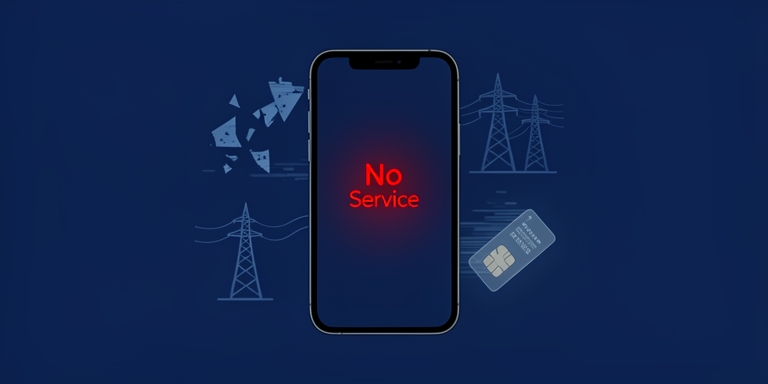
Mobile phone numbers have become integral to digital identities, especially for financial services, transaction alerts, and secure communications. Cybercriminals exploit this reliance through SIM swap fraud, a technique where attackers gain control of a victim’s mobile number to intercept sensitive data. This method enables unauthorized access to banking accounts and other critical systems.
Understanding SIM Swap Fraud
Mobile phone numbers have become integral to digital identities, especially for financial services, transaction alerts, and secure communications. Cybercriminals exploit this reliance through SIM swap fraud, a technique where attackers gain control of a victim’s mobile number to intercept sensitive data. This method enables unauthorized access to banking accounts and other critical systems.
How SIM Swap Fraud Works
The process begins when fraudsters acquire a duplicate SIM card by deceiving telecom providers. They may fabricate reasons such as a lost or damaged device or request a number transfer to a new SIM. This often involves forged documentation or collusion with compromised staff. Once the replacement SIM is activated, all calls, messages, and security alerts intended for the legitimate user are redirected to the attacker’s device. Criminals typically gather victim details through phishing, voice phishing (vishing), malware, or social engineering before executing the SIM swap. Combining this information with control over the mobile number allows them to bypass authentication measures and access accounts. Once in control, attackers can initiate financial transactions, drain accounts, and evade detection as alerts and confirmation codes are intercepted.
Recognizing the Signs of a SIM Swap Attack
A sudden and extended loss of mobile network service may indicate such an attack. Users experiencing unexplained communication disruptions should immediately contact their service provider to verify if a SIM replacement or porting request has been processed. Unusual bulk messages from network providers, particularly those indicating a SIM swap, should be treated as red flags. Customers must confirm these alerts directly with their telecom operator rather than responding to unsolicited calls.
Protecting Yourself from SIM Swap Fraud
To mitigate risks, users should take several steps. If network connectivity disappears unexpectedly, they should promptly contact their service provider. Direct verification of SIM status is critical, avoiding reliance on unknown sources. Ignoring suspicious messages about SIM changes or porting requests is inadvisable. Users must avoid clicking on unverified links in SMS or messaging apps and refrain from sharing sensitive information like Aadhaar details, banking credentials, or one-time passwords with unfamiliar parties. Receiving multiple unknown calls, especially those urging the device to be turned off, warrants caution. Regularly reviewing bank statements and reporting unauthorized transactions is essential. Setting transaction limits for banking activities can also reduce potential losses. In cases of suspected SIM swap fraud, immediate notification to the bank and account blocking are necessary measures.

About Author







 English