

Accuris Leverages AI for Smarter BOM Decisions and Resilient Supply Chains
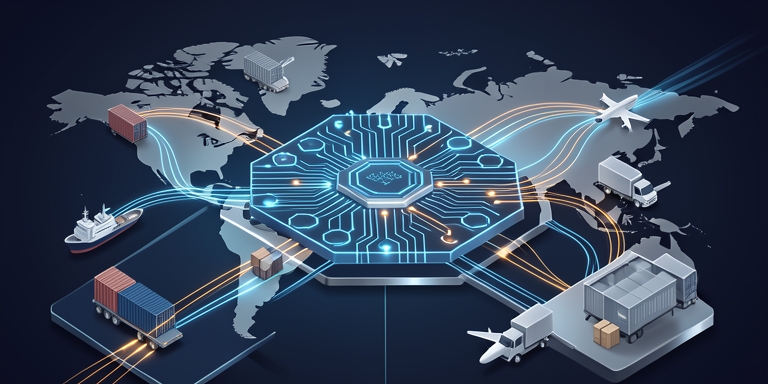
Accuris introduces advanced AI features within its BOM Intelligence module, enhancing decision-making processes for engineering, procurement, and supply chain teams.
Introduction
Accuris introduces advanced AI features within its BOM Intelligence module, enhancing decision-making processes for engineering, procurement, and supply chain teams. The updated system enables organizations to transition from identifying component risks to implementing actionable solutions, including early detection of obsolescence, closure of compliance gaps, and oversight of sourcing choices across multiple projects. All functionalities operate on a foundation of verified data encompassing 1.3 billion electronic components with 98%+ accuracy, derived from three decades of direct manufacturer partnerships and a specialized content team.
Key Features of BOM Intelligence
AI systems relying on fragmented or unverified data risk perpetuating confusion, whereas those built on authoritative component data reduce weeks of impact analysis to hours, producing audit-ready outcomes that withstand scrutiny from regulatory bodies and executive leadership.
“Enterprises leveraging AI effectively will prioritize integration with verified content, embedding it into critical decision points where precision is essential.” – Claude Pumilia, CEO of Accuris
Core Components Driving Progression
The new tools are structured to align with how supply chain and engineering teams operate, starting with improved BOM decisions, expanding to ongoing risk monitoring across all programs, and forecasting compliance and obsolescence issues before they disrupt designs.
AI-Powered BOM Optimization
AI-powered BOM optimization assists engineers in selecting optimal parts by evaluating risk, cost, lifecycle, and compliance factors simultaneously.
AI BOM Decision Support
AI BOM Decision Support provides transparent recommendations that engineers can justify.
BOM AI Agent
The BOM AI Agent addresses natural-language queries, such as identifying parts containing PFAS substances, within seconds.
Continuous Monitoring and Predictive Intelligence
Continuous BOM health monitoring assesses risk levels in real time, highlighting obsolescence, compliance deficiencies, and standardization opportunities before they cause operational disruptions. A real-time feasibility checker validates designs against sourcing and compliance constraints prior to finalization, minimizing costs associated with revisions.
Predictive Compliance and Risk Intelligence
Predictive compliance and risk intelligence automatically detects violations of regulations like REACH, RoHS, PFAS, and TSCA, forecasts upcoming regulatory changes, predicts end-of-life timelines beyond traditional lifecycle data, and tracks tariffs, sanctions, and regional supply chain disruptions.
Scalable Implementation and Human-Centric Design
Teams can implement these features individually or as an integrated workflow, addressing immediate risks without compromising scalability as projects expand. Greg Jaknunas, Senior Director of Product Management for Supply Chain Intelligence at Accuris, explained that AI functions as an exoskeleton, augmenting human capability by accelerating tasks and then transferring control back to the decision-maker.
“Organizations that prioritize AI without resolving data fragmentation risk automating errors.” – Greg Jaknunas, Senior Director of Product Management
Measurable Value and Industry Impact
The system’s value is measurable, with design rework caused by component obsolescence costing up to $250,000 per instance. For leaders in aerospace and defense, automotive, medical devices, and manufacturing, the solution simplifies aligning investments with critical priorities: selecting appropriate components, identifying risks before they impact production, and managing sourcing decisions across teams and initiatives.
Conclusion
Every AI workflow is designed to maintain team control, accelerating analysis, highlighting risks, and tracing impacts while ensuring final decisions rest with human operators. This principle applies across the entire Supply Chain Intelligence suite.
About Author









 English