

Iran-Linked Hackers Suspected in Cyberattacks on Minnesota Water Systems
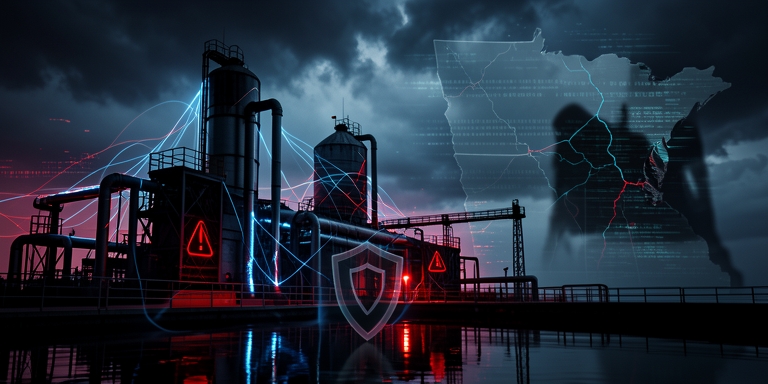
Federal agencies are investigating cyber intrusions targeting municipal water facilities in Minnesota, with evidence pointing to the Iran-affiliated hacktivist group CyberAv3ngers.
CyberAv3ngers Tactics and Industrial Control Vulnerabilities
The group has a history of targeting water and wastewater treatment facilities in Western countries, often exploiting weaknesses in industrial control equipment. Security experts believe the attackers used automated tools to identify internet-facing devices with exposed remote management interfaces. Previous operations by the group involved exploiting unpatched vulnerabilities in legacy systems and leveraging default credentials to gain access.
In one instance, the threat actors targeted Israeli-manufactured Unitronics Vision Series programmable logic controllers (PLCs), which are widely used in small and mid-sized utility operations. Once inside networks, the attackers attempted to modify operational parameters, display political messages on human-machine interface (HMI) screens, or disable local operator controls.
Federal Response and Critical Infrastructure Vulnerabilities
The Cybersecurity and Infrastructure Security Agency (CISA), Federal Bureau of Investigation (FBI), and Environmental Protection Agency (EPA) have deployed technical teams to assist affected Minnesota municipalities. Federal authorities have warned that public utility networks remain attractive targets for state-sponsored actors. Efforts are underway to isolate compromised control hardware, restore system backups, and review network logs to identify the initial breach vector.
State officials confirmed that manual operational protocols were in place to mitigate service disruptions during the incident.
Mitigation Mandates and National Security Implications
The investigation has intensified calls for mandatory cybersecurity standards across the water sector. Unlike the electric power and financial industries, which face enforceable regulations, water and wastewater systems rely on voluntary compliance frameworks. Security experts argue that these guidelines are inadequate against advanced threats from nation-state actors.
Federal advisory groups are urging water system operators to implement immediate safeguards for operational technology environments, including regular vulnerability assessments and multi-factor authentication for critical infrastructure.

About Author








 English