

State-Sponsored Hackers Targeting EU Officials via WhatsApp and Signal
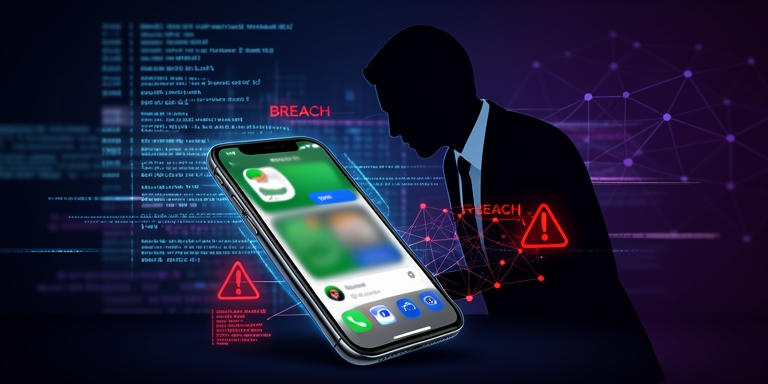
Foreign governments have been attempting to compromise the messaging accounts of high-ranking European Union officials using targeted cyber operations.
State-Sponsored Cyber Attacks on EU Officials
Foreign governments have been attempting to compromise the messaging accounts of high-ranking European Union officials using targeted cyber operations. A presentation shared with EU national government representatives in July confirmed that senior officials have been under surveillance through messaging applications. National cybersecurity agencies had previously reported an ongoing campaign attributed to Russian-linked threat groups, with Dutch intelligence specifically linking hacking activities to Russia.
Tactics Used by Attackers
The attacks were characterized as “state-sponsored” by cybersecurity authorities, with warnings issued by multiple agencies earlier this year. In March, at least five national cybersecurity bodies disclosed ongoing hacking efforts involving Signal and other messaging platforms. Dutch intelligence services directly tied the activity to Russia, while German authorities warned that hackers were focusing on high-ranking individuals in politics, military, and diplomatic sectors, as well as investigative journalists.
EU Cybersecurity Vulnerabilities
The European Commission had previously instructed some of its top officials to disable a Signal group due to hacking concerns. This directive came as national cyber agencies advised governments to avoid commercial messaging apps like Signal for official communications. A key tactic employed by attackers involved impersonating a fake Signal support chatbot. Users were tricked into sharing verification codes, granting adversaries access to their accounts and enabling interception of messages and group chats.
Broader Cybersecurity Challenges
These operations highlight the risks of highly tailored cyber campaigns targeting government personnel. Unlike traditional attacks relying on technical flaws, these efforts utilized personalized deception strategies to exploit human trust. The EU’s internal presentation also underscored broader cybersecurity vulnerabilities within the bloc. Cybersecurity officials reported eight “significant incidents” involving EU institutions this year. A major challenge identified was the lack of standardized technical systems across EU bodies, complicating secure communication and data exchange.
The absence of a unified framework for handling sensitive and classified documents was also cited as a critical weakness. The ongoing campaign reflects growing concerns about foreign interference in communications used by officials managing sensitive government matters. Successful account takeovers could provide threat actors with access to confidential discussions and group conversations. The presentation indicates that foreign-government-linked cyber activities against EU leadership are now classified as a major security risk, alongside the broader issue of protecting classified information across disparate technical infrastructures.

About Author








 English