

Old Coins and Cyber Fraud: Youth Lose Money Under False Pretences
Old Coins and Cyber Fraud: Youth Lose Money Under False Pretences
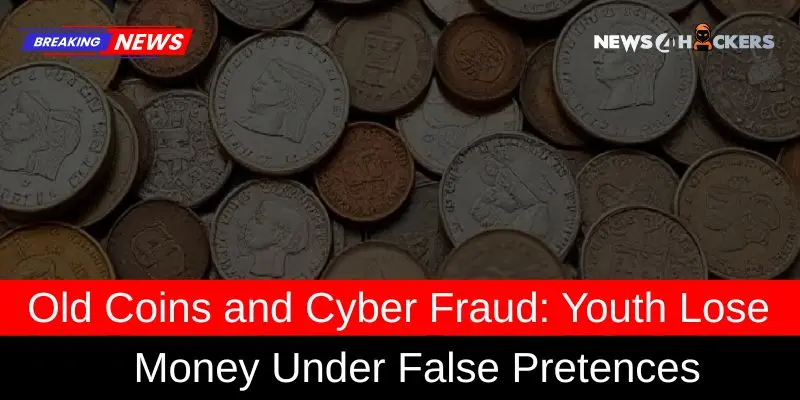
Moradabad, India: A young man’s hopes were turned into an expensive scam by the promise of big prices for rare coins. He thought one of his coins might be worth millions abroad after seeing YouTube claims that antique coins could fetch lakhs. However, the hope was dashed when he was defrauded of ₹15,000 by fraudsters.

Social media networks and phony websites were used by scammers to entice the victim. Under the guise of “file charge,” “registration fee,” and “customs clearance,” they collected money in installments and asserted that the coin was worth ₹95 lakh.
An Organized Network
This was not an isolated incident, according to police sources. According to preliminary findings, the group is using social media to target numerous individuals by pretending to buy and sell used coins and banknotes. The cyber cell has now been given the case.
Experts’ Warning
Prof. Triveni Singh, a cybercrime specialist and former IPS officer, stated:

“These days, fraud involving ancient coins and notes is increasing quickly. Criminals take advantage of the feelings and avarice of regular people. This is an example of psychological dishonesty in addition to financial crime. Before undertaking any financial transactions, citizens should confirm through official or accredited sources and not rely on such social media ads.”
Police Initiative
The local police are currently getting ready to launch social media awareness campaigns. According to officials, victims frequently refrain from reporting crimes out of embarrassment or hesitancy, which gives the attackers more confidence. The public has been urged by the police to report any such scam right away.
How To Stay Avert from Such Attacks?

As per Mohit Yadav, a renowned cybersecurity expert and media penalist for more than 12+ major media houses, an individual can literally stay avert from such cyber attacks and social engineering attempts by adapting to some simple tricks and best practices:
- Try to avoid posting sensitive information-carrying images on social media and other similar platforms, such as credit card images, car numbers, bike numbers, driver’s license numbers, and many more.
- Do not answer unknown calls from international numbers.
- Do not fall prey to random stranger calls pretending to be your known ones and sending or receiving money from them.
- Try avoiding giving unnecessary personal information to strangers or people that you meet on a daily basis, just crossing your path. They might be hackers or close acquaintances.
About The Author:
Yogesh Naager is a content marketer who specializes in the cybersecurity and B2B space. Besides writing for the News4Hackers blogs, he also writes for brands including Craw Security, Bytecode Security, and NASSCOM.
Read More:
Bad AI Agents In Your SIEMs and SOCs – Indirect Prompt Injection through Log Files
About Author






 English