

PhonePe Introduces Fingerprint And Face ID Verification For UPI Transactions
India’s UPI Adopts Biometric Authentication
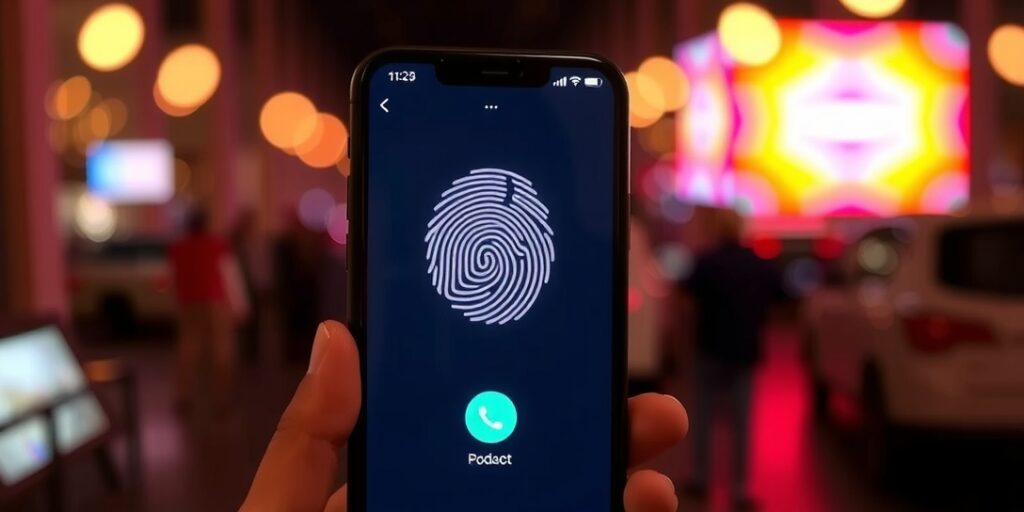
India’s Unified Payments Interface (UPI) is adopting biometric authentication, allowing users to authorize transactions with fingerprint or facial recognition, eliminating the need for manual PIN entry. PhonePe, a leading payments platform, has introduced this feature, enabling seamless and secure transactions.
A Shift in India’s Digital Economy
The introduction of biometric authentication on UPI signals a significant shift in India’s digital economy. Over the past decade, UPI has revolutionized the way Indians make payments, enabling instant bank transfers through mobile apps. The new feature aims to make these transactions even more convenient and secure.
Benefits for Consumers
For consumers, the biometric system removes the hassle of remembering and entering authentication codes. In a country where mobile payments are ubiquitous, this feature can significantly speed up transactions. The biometric feature currently supports transactions up to ₹5,000 on Android devices, allowing users to authorize payments with a single touch.
Reducing Friction in Payments
The payments industry has long recognized “friction” as a major barrier to adoption. Biometric authentication aims to reduce this friction by eliminating the need for manual PIN entry. Incorrectly entered PINs are a common cause of payment failures, and biometric verification can significantly reduce these errors.
A Hybrid Model for Reliability
The system has a fallback mechanism, allowing users to complete transactions using traditional PIN methods if biometric authentication fails. This hybrid model ensures reliability as biometric systems are introduced.
A Broader Pattern in Digital Payments
Industry observers note that this development reflects a broader pattern in digital payments, where new technologies are layered onto existing infrastructure rather than replacing it outright. India’s move toward biometric authentication for mobile payments also mirrors a global shift toward identity-based verification.
Expansion and Regulation
The current rollout is focused on Android users and smaller transaction values, but the roadmap for expansion is broader. Support for biometric systems used in Apple devices is expected to follow, potentially extending the feature across a larger share of India’s smartphone ecosystem.
Regulatory institutions, such as the Reserve Bank of India and the National Payments Corporation of India, will likely play a crucial role in shaping the expansion of biometric authentication. As adoption grows and regulators gain confidence in the system’s security, payment limits could increase, and the feature may become more widespread.
A Rapidly Evolving Landscape
The introduction of biometric authentication on UPI represents another step in the rapid evolution of India’s digital payments landscape, where the act of paying may increasingly happen with little more than a glance or a touch.

About Author









 English