

YouTube Bans Deepfakes of Politicians and Journalists
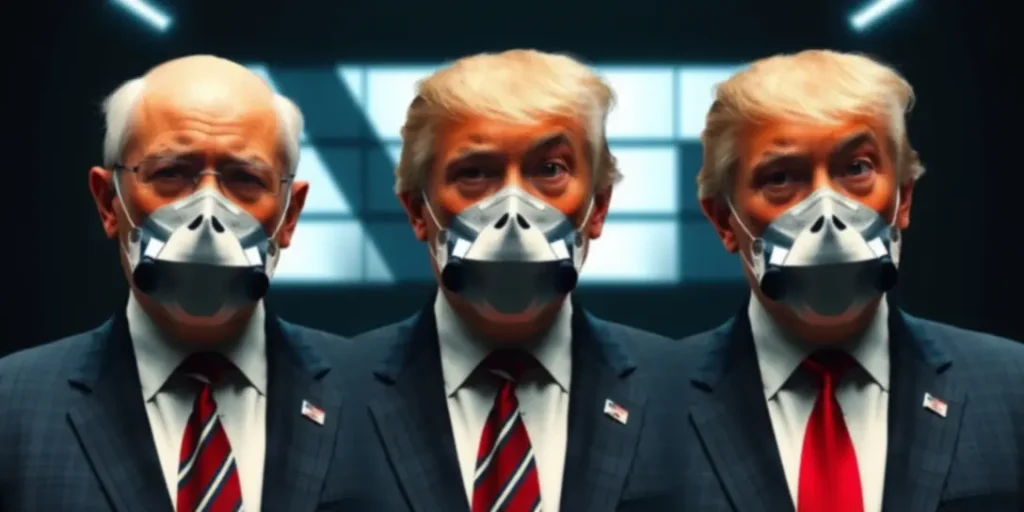
YouTube Expands AI-Driven Likeness Detection to Combat Deepfakes of Public Figures
YouTube has taken a significant step to combat the proliferation of deepfakes on its platform, particularly those involving politicians and journalists. The company has expanded access to its AI-powered likeness detection system to a pilot group of government officials, journalists, and political candidates. This move is part of YouTube’s efforts to address the growing concern of deepfakes being used to spread misinformation and manipulate public opinion.
The AI-Driven Tool
The AI-driven tool, similar to YouTube’s Content ID system, scans videos for impersonation and detects when a person’s likeness is being used without their consent. If a match is found, individuals can review the content and request its removal if it violates privacy rules. However, detection alone does not guarantee takedown, as YouTube must balance its commitment to protecting free expression and content in the public interest.
The company has emphasized its long history of preserving content that serves the public interest, including parody and satire, even when used to critique influential figures. Nevertheless, YouTube acknowledges the need for stronger legal protections to safeguard people’s likenesses and promote responsible AI use.
The Need for Legislation
To this end, the company is advocating for legislation such as the NO FAKES Act.
Addressing the Challenges of AI-Generated Content
The expansion of the AI-driven likeness detection system is a response to the increasing availability and sophistication of AI video tools. These tools have made it easier for individuals to create realistic deepfakes, which can then be disseminated on social media platforms, including YouTube. While deepfakes can be entertaining, they can also be used to fabricate material and spread misinformation, posing a significant threat to public discourse and trust.
YouTube’s move to combat deepfakes is part of a broader effort to address the challenges posed by AI-generated content. As the use of AI video tools continues to grow, it is essential for social media platforms to develop effective strategies to detect and mitigate the spread of deepfakes. By expanding access to its AI-driven likeness detection system, YouTube is taking a crucial step towards protecting the integrity of its platform and promoting a safer online environment.

About Author









 English