

Trump Advocates for Extended Foreign Surveillance Amid Growing US Privacy Concerns
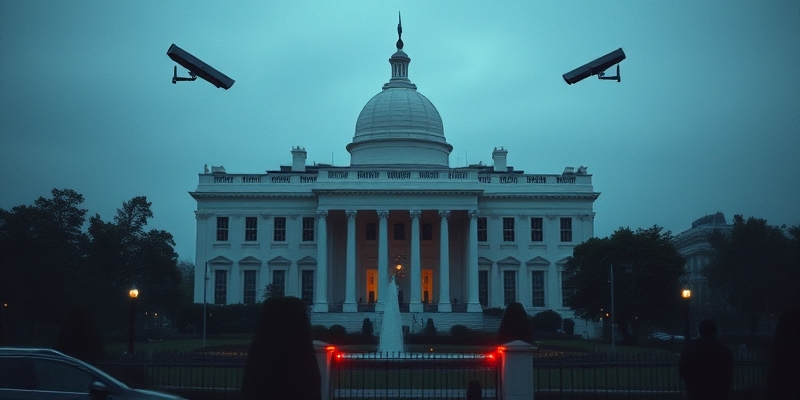
The Future of Foreign Surveillance: Balancing National Security and Civil Liberties
The debate over the reauthorization of the Foreign Intelligence Surveillance Act (FISA) has sparked intense discussion among lawmakers and experts. At stake is the balance between national security and civil liberties, particularly regarding the warrantless surveillance of foreign nationals.
Rationale Behind Warrantless Surveillance
The FISA Section 702 permits U.S. intelligence agencies to collect and analyze vast amounts of overseas communications without a warrant. This provision inadvertently captures the conversations of any Americans interacting with those foreigners under surveillance, raising concerns about potential civil liberties violations and the erosion of trust in government institutions.
Criticism and Proposed Reforms
-
Critics argue that the FISA has not been adequately reformed since its inception, leading to an unacceptable level of domestic surveillance.
-
Former Congresswoman Tulsi Gabbard, once a strong supporter of the FISA, now advocates for additional safeguards to protect civil liberties.
-
Some lawmakers call for reforms such as requiring warrants before accessing the communications of American citizens.
Expert Perspectives
Fate of the FISA
The future of the FISA hangs in the balance as Congress debates the merits of reauthorizing the program with significant reforms or opting for a more radical overhaul. Whatever the outcome, it is clear that the landscape of international relations is rapidly evolving, driven by the increasing reliance on digital technologies and the need for sophisticated cybersecurity measures and robust intelligence gathering capabilities.

About Author









 English