

Hyderabad Merchants Face Cyber Fraud Risks via QR Payments
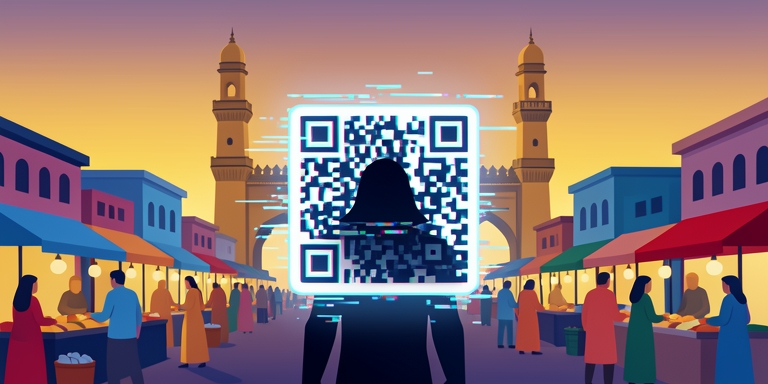
QR Payments Put Hyderabad Merchants in Cyber Fraud Trouble
The Rise of QR Code Payments
The widespread use of digital payment methods has streamlined commercial transactions, yet merchants in Hyderabad and Telangana are facing unexpected challenges due to fraudulent activities involving QR code payments.
Challenges Faced by Merchants
Multiple cases have been reported where funds linked to cybercrime have inadvertently entered the accounts of legitimate businesses, leading to investigations and financial disruptions. Law enforcement agencies tracking illicit funds often scrutinize merchants who received payments, resulting in account freezes and operational setbacks.
How Fraudulent Transactions Occur
The issue arises when cybercriminals and alleged money launderers channel stolen funds through legitimate transactions. These individuals visit retail locations, purchase goods, and use QR code payments instead of cash. To merchants, these transactions appear standard. However, investigators later trace the funds back to cybercrime victims, prompting inquiries into the flow of money.
Impact on Businesses
During these investigations, authorities examine all accounts that received portions of the disputed funds, including those of merchants, which may lead to temporary account freezes. Small and medium-sized enterprises are particularly affected, as banking restrictions disrupt critical operations. Business owners face difficulties in purchasing inventory, settling supplier invoices, and paying wages.
Responses and Recommendations
Representatives from the Telangana Wine Dealers Association highlighted that some merchants have encountered account restrictions after processing payments tied to fraudulent activity. These restrictions, even when temporary, create significant financial strain.
A senior cybercrime official noted that authorities are working with affected merchants to obtain No Objection Certificates (NOCs), which can help lift banking restrictions once investigations confirm their innocence.
Cybercrime experts emphasize that digital payment systems lack mechanisms for merchants to verify the legitimacy of funds. While the transparency of these systems allows investigators to track transactions, ordinary business operators cannot distinguish between lawful and illicit payments.
Call for Industry Solutions
Recommendations for merchants include maintaining detailed records of all digital transactions, monitoring for unusual payment patterns, and cooperating with law enforcement requests for documentation. Business groups have also called for clearer guidelines and expedited relief processes to prevent innocent traders from enduring prolonged financial hardship due to uncontrollable circumstances.
Conclusion
Authorities continue to address the complexities of digital fraud, balancing the need to trace illicit funds with the necessity of protecting legitimate businesses from undue consequences. The situation underscores the growing challenges of integrating digital payment systems into commercial ecosystems while mitigating risks associated with evolving cyber threats.

About Author









 English