

UPSC Study Videos Leaked, Delhi Police Arrest Three in Telegram Piracy Racket
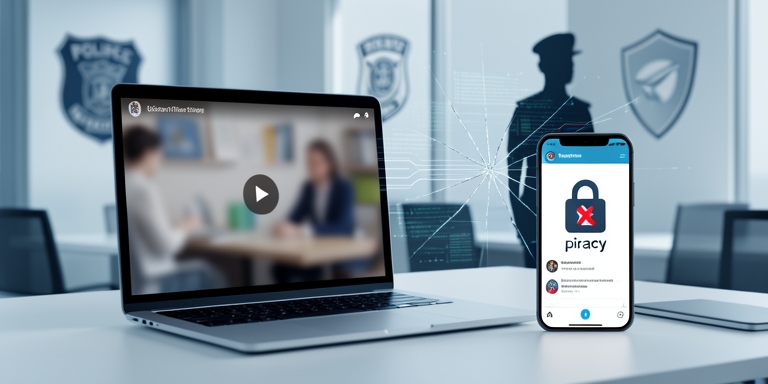
Over 2,400 UPSC study videos were disclosed through unauthorized channels, prompting Delhi Police to detain three individuals linked to a Telegram-based piracy operation.
The Incident Unfolds
The Complainant’s Report
The complainant, a director of a UPSC preparation service, reported that more than 2,400 video lessons were compromised and sold via an instant messaging application. The platform, which launched three years ago, serves over 400,000 students through a mobile application introduced in 2023.
Platform Background
The app features a library of 2,500 educational videos, including both free and paid resources. The breach was detected on March 10, triggering a police investigation into the unauthorized dissemination of intellectual property.
Breach Details
The accused allegedly exploited technical vulnerabilities to distribute materials, causing significant financial and reputational harm to the affected institution. Technical analysis of digital footprints, including IP address logs, led to the arrest of Yuvraj Singh, 21, from Aligarh, Uttar Pradesh, on June 5.
Arrests and Investigations
Suspects Identified
During interrogation, he reportedly confessed to using an automated tool to extract content and resell it through Telegram channels, with payments processed through bank accounts. Subsequent inquiries uncovered two additional suspects: Niranjan Kumar Mandal, 23, from Faridabad, Haryana, who allegedly created the Telegram bot used for data extraction, and Shubham Kumar Pandey, 28, who provided infrastructure and internet support.
Technical and Financial Details
Investigators revealed that the suspects employed deceptive tactics to evade detection, including the use of fabricated messaging accounts, falsified credentials, and anonymous cryptocurrency wallets. Financial records indicated transactions totaling approximately ₹35 lakh, reflecting the scale of illicit proceeds.
Seized Items
Law enforcement also identified multiple bank accounts and digital wallets linked to the accused. During the operation, authorities seized four mobile devices, a laptop, four SIM cards, two passbooks, a debit card, and a Wi-Fi router.
Implications and Ongoing Efforts
Ongoing efforts aim to trace additional network members and assess potential ties to other educational institutions. The case highlights vulnerabilities in digital content protection and underscores the challenges of combating piracy in online learning ecosystems.

About Author







 English