

Mathura Robbery Blackmail Gang Arrested: Gay Men Targeted via Grindr
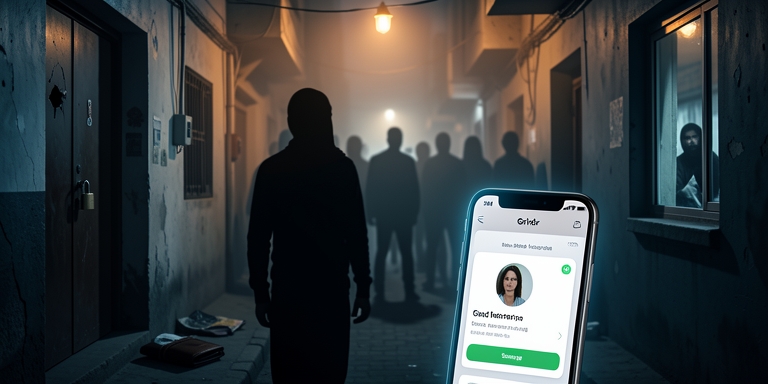
Seven individuals have been arrested in Mathura for a robbery and blackmail gang targeting the LGBTQ+ community through the Grindr app.
A criminal network operating in Mathura has been dismantled following a joint operation by local authorities.
The group allegedly targeted individuals through the dating application Grindr, exploiting vulnerabilities associated with the LGBTQ+ community. The investigation involved collaboration between the Jait Police and the Cyber Cell in Uttar Pradesh’s Mathura district, resulting in the arrest of seven suspects. The operation, conducted in the Dhaurera forest area, led to the apprehension of all individuals linked to the alleged scheme.
From Robbery to Sustained Financial and Emotional Exploitation
Investigators revealed the gang employed a systematic approach to victimization. Members created fake profiles on Grindr to initiate contact with targets, cultivating trust through prolonged interactions. Once a connection was established, the accused arranged in-person meetings at secluded locations. Upon arrival, victims were subjected to physical assault and robbed of personal belongings, including mobile devices, cash, and other valuables. The attack extended beyond physical theft, as perpetrators reportedly coerced victims into disclosing mobile phone passwords. This allowed unauthorized access to banking and digital payment platforms, facilitating the transfer of funds from victims’ accounts. In addition to financial exploitation, the gang allegedly recorded explicit footage of victims and threatened to distribute it on social media unless further demands were met. The threat of public exposure, compounded by societal stigma surrounding LGBTQ+ identities, reportedly deterred many victims from reporting the crimes. Authorities suspect the actual number of affected individuals exceeds the confirmed cases, as fear of discrimination or legal repercussions prevented victims from seeking assistance.
Individuals Arrested and Recovered Evidence
The seven arrested suspects include Sunil from Bhojpur, Bihar; Suraj of Rewari, Haryana; Ravi of Vrindavan; Krishna alias Bittu of Vrindavan; Bhupendra of Raya; Praveen of Hathras; and Rajesh Singh of Damoh, Madhya Pradesh. All were reportedly based in the Vrindavan area and operated the scheme from there. During the operation, law enforcement recovered 10 stolen mobile devices, ₹51,500 in cash, and two motorcycles. Forensic analysis of the seized devices is underway to identify additional victims, trace financial transactions, and uncover potential links to broader networks. Two First Information Reports (FIRs) have been filed in connection with the case.
Part of a Documented, Recurring Pattern Across India
The Mathura incident aligns with a broader trend of organized crime exploiting LGBTQ+ individuals through digital platforms. Similar cases have been reported in cities such as Gurugram, where gangs targeted corporate professionals by luring them to isolated locations for assault and theft.
While India’s legal framework includes provisions under the IT Act and penal code to address extortion, blackmail, and cyber fraud, enforcement challenges remain. Critics argue that police training and platform accountability for user verification and suspicious activity detection require improvement.
What Comes Next
The investigation into the Mathura network is ongoing, with authorities examining digital evidence, banking records, and prior criminal histories of the accused.
The case underscores the intersection of digital exploitation and societal prejudice, highlighting the need for enhanced safeguards and awareness to protect vulnerable communities.

About Author









 English