

AI Powers Faster Phishing Protection: DMARC and BIMI Cut Threats from Hours to Seconds
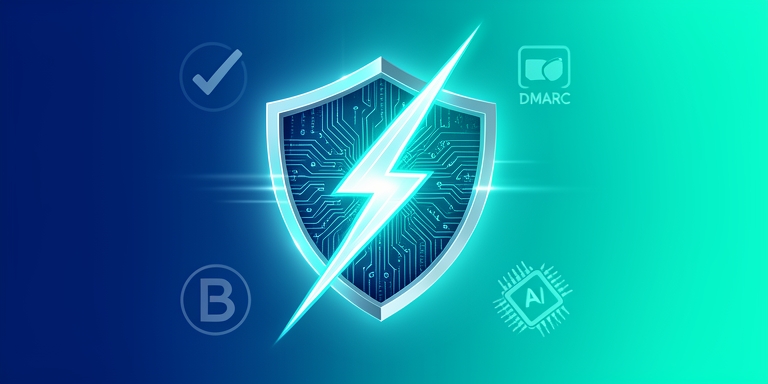
Industry experts discuss how AI and advanced protocols like DMARC and BIMI enhance email security.
Introduction
AI reduces phishing detection time from hours to seconds through advanced security protocols like DMARC and BIMI. A discussion between industry experts highlights the critical role of these technologies in modern email security frameworks.
Key Technologies in Email Security
DMARC: Preventing Email Spoofing
DMARC (Domain-based Message Authentication, Reporting, and Conformance) is essential for preventing email spoofing. It enables organizations to specify policies for handling unauthenticated emails, reducing the risk of domain impersonation.
BIMI: Verifying Brand Authenticity
BIMI (Brand Indicators for Message Identification) complements DMARC by verifying brand authenticity through email headers. It allows organizations to display their logos in emails, enhancing user trust and detection of fraudulent messages.
Challenges in Implementation
The conversation explores historical developments in email authentication, current implementation challenges, and the evolving threat landscape driven by artificial intelligence. Experts highlight persistent gaps in foundational security practices, including improper DMARC configurations that leave organizations vulnerable.
The Role of AI in Cybersecurity
AI is transforming both defensive and offensive strategies in cyberattacks. Technical details reveal that AI-driven phishing operations can execute attacks in seconds, bypassing traditional detection methods. This urgency reinforces the need for proactive deployment of DMARC and BIMI, which provide layered defenses against email-based compromises.
The experts emphasize that despite advancements, many enterprises fail to implement these protocols correctly, creating opportunities for threat actors. They also address how AI is transforming both defensive and offensive strategies in cyberattacks.
Best Practices for Email Security
The speakers warn against common pitfalls, such as incomplete DMARC policies or lack of monitoring, which can undermine the effectiveness of these protocols. They stress the importance of continuous education and adherence to best practices in email security to counteract evolving threats.
Conclusion
The dialogue concludes with a call for organizations to prioritize fundamental security measures while leveraging emerging technologies to stay ahead of adversaries. By addressing gaps in email authentication and adopting standardized frameworks, businesses can enhance trust and reduce exposure to sophisticated cyber threats.

About Author






 English