

Trader Loses ₹27 Lakh to Fake Crypto Investment Scam
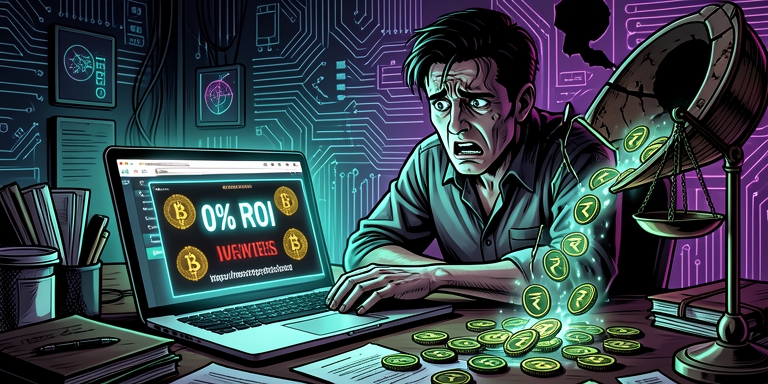
A Nagpur-based trader suffered a financial loss of ₹27 lakh after falling victim to a cryptocurrency investment scam that began with an incidental train meeting and relied on falsified financial documents to maintain deception.
The Scam’s Origin and Execution
The Train Encounter and Initial Contact
The scheme unfolded over several months, with the victim gradually transferring funds based on assurances of high returns. Investigators noted that the accused presented themselves as experienced cryptocurrency traders, leveraging personal connections to build credibility before introducing fraudulent financial statements.
Fabricated Financial Documents
These documents, designed to mimic legitimate investment growth, encouraged further investment without scrutiny.
The Deception Unraveled
The Tax Fee Demand
The deception unraveled when the perpetrators requested an additional ₹3.90 lakh as a tax fee to release the funds, prompting the victim to verify the claims.
Investigation Findings
Subsequent investigation confirmed the absence of any genuine investment activity.
Broader Trends in Cybercrime
National Cybercrime Reports
National cybercrime reports indicate a significant rise in such incidents, with over 24 lakh complaints and losses exceeding ₹22,495 crore recorded in 2025 alone.
Challenges in Recovery
Cryptocurrency and Cross-Border Transfers
Law enforcement agencies are currently analyzing financial transactions and digital trails to trace the flow of illicit funds, though recovery remains challenging due to cryptocurrency conversions and cross-border transfers.
Expert Advice and Public Warnings
Cybersecurity Expert Recommendations
Cybersecurity experts emphasize the importance of verifying investment platforms independently and recognizing red flags such as guaranteed high returns or unexpected fee demands.
Conclusion
The case underscores the vulnerability of individuals to social engineering tactics that exploit trust and financial aspirations. Authorities continue to investigate the network involved, while advising the public to exercise caution with unsolicited investment opportunities. The incident serves as a cautionary example of how personal relationships can be exploited to facilitate financial fraud in the digital economy.

About Author








 English