

Critical Vulnerability in DNA Forensic Software Threatens 30 Years of Evidence
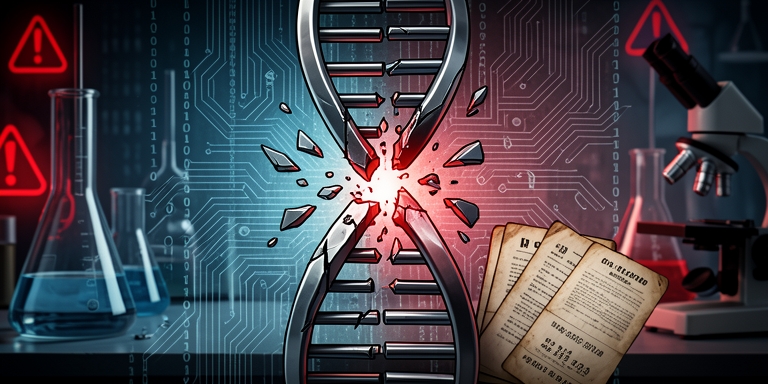
Researchers have identified a significant security flaw in forensic software used by U.S. crime laboratories, risking DNA evidence from 1995 onward.
Discovery of the Vulnerability
Researchers have identified a significant security flaw in forensic software utilized by major U.S. crime laboratories, which could enable unauthorized modifications to DNA evidence dating back to 1995. The vulnerability, uncovered by a team of forensic and computer scientists, allows an AI-driven approach to alter digital representations of genetic data without detection.
Impact on Forensic Evidence
Although the software vendor, Thermo Fisher Scientific, has not reported any confirmed breaches, the researchers emphasize that methods to detect such tampering remain elusive. A systems engineer demonstrated the exploit within an hour, gaining access to encrypted data. The potential for malicious actors to manipulate DNA profiles raises concerns about wrongful convictions or unjust acquittals.
Broader Implications
Experts highlight that forensic science has lagged in implementing robust security protocols compared to other sectors, resulting in inconsistent safeguards across more than 200 laboratories. Thermo Fisher Scientific has acknowledged the issue and is developing a software update incorporating digital signatures to ensure data integrity moving forward.
Technical Details of the Exploit
The flaw specifically enables the manipulation of digital scans generated since 1995, leveraging machine learning techniques to introduce undetectable alterations. This capability could allow adversaries to introduce or remove genetic markers, undermining the reliability of forensic conclusions. Researchers noted that the exploit bypasses existing verification mechanisms, leaving no clear audit trail for investigators.
Response and Mitigation Efforts
The discovery underscores broader challenges in securing legacy systems within the forensic sector, where rapid technological advancements have outpaced the adoption of modern cybersecurity practices. Thermo Fisher Scientific confirmed the vulnerability and stated that the upcoming update will include cryptographic validation to prevent unauthorized data modifications. However, the lack of immediate mitigation measures has prompted calls for urgent review of evidence-handling protocols.
Long-Term Concerns
The incident also raises questions about the long-term integrity of genetic databases, which contain records critical to both criminal investigations and civil cases. The findings align with growing concerns about the intersection of artificial intelligence and forensic science, as emerging technologies introduce new vectors for exploitation. Cybersecurity experts urge forensic institutions to prioritize proactive risk assessments and collaborate with software developers to address systemic vulnerabilities.

About Author






 English