

TP-Link Omada ZTP Vulnerability Exploit Leads to Full Network Compromise
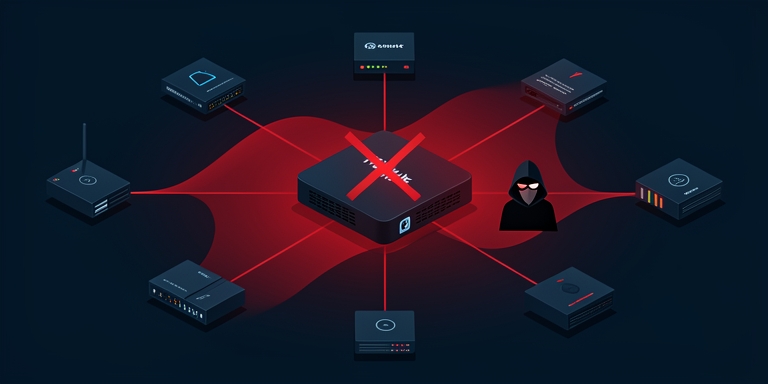
Security researchers have identified a critical set of vulnerabilities within the zero-touch provisioning (ZTP) framework of TP-Link’s Omada networking solutions, exposing systems to potential full network exploitation.
Discovery of Vulnerabilities
The flaws, discovered by Forescout, affect the automated configuration processes used for routers, switches, and access points, which rely on cloud-based or on-premises controllers to streamline device setup. These vulnerabilities create pathways for attackers to gain unauthorized access to managed devices, compromising the integrity of entire network infrastructures.
Key Issues
Key issues include the presence of hardcoded cryptographic keys and certificates, insecure handling of device and site credentials during transmission, and insufficient certificate validation mechanisms that facilitate man-in-the-middle attacks. Additionally, researchers uncovered a race condition in cloud-based device onboarding, a cross-site scripting vulnerability in controller interfaces, and weaknesses such as predictable serial numbers and default credentials that simplify device enumeration and takeover.
Attack Scenarios
Eleven of the 15 identified flaws have been assigned Common Vulnerabilities and Exposures (CVE) identifiers, while TP-Link has opted not to assign CVEs to the remaining four, citing their perceived low severity. Attack scenarios outlined by Forescout demonstrate how combining these vulnerabilities with previously disclosed remote code execution flaws (CVE-2025-7850 and CVE-2025-7851) could enable attackers to execute malicious actions.
One method involves exploiting a timing vulnerability during cloud-based device registration to intercept authentication data, granting control over cloud controller accounts and internal network access. Other attack vectors allow local network adversaries to impersonate controllers or devices, intercept sensitive credentials, decrypt traffic, or bypass access controls. However, certain attacks require administrative approval of spoofed devices to succeed.
Security Implications
The potential for a single compromised controller to manage an entire device fleet underscores the risk of widespread network infiltration, with attackers potentially achieving elevated privileges on Omada-managed hardware. Forescout noted that 1,800 Omada controllers are publicly accessible via the internet, despite recommendations against exposing such systems to external networks.
Extended Vulnerabilities
The vulnerabilities also extend to other TP-Link product lines, including VIGI IP cameras, Festa routers, and smart home devices like Tapo and Kasa. TP-Link has released patches for some issues but acknowledged that remediation for more systemic flaws may not be complete until 2026. Certain low-severity vulnerabilities will remain unaddressed.
Response and Mitigation
Researchers plan to present detailed findings at an upcoming cybersecurity conference. The disclosures highlight ongoing challenges in securing automated provisioning systems, emphasizing the need for robust cryptographic practices, secure credential management, and proactive network segmentation to mitigate risks associated with interconnected device ecosystems.

About Author








 English