

AI Sector Urged to Be Classified as Critical Infrastructure
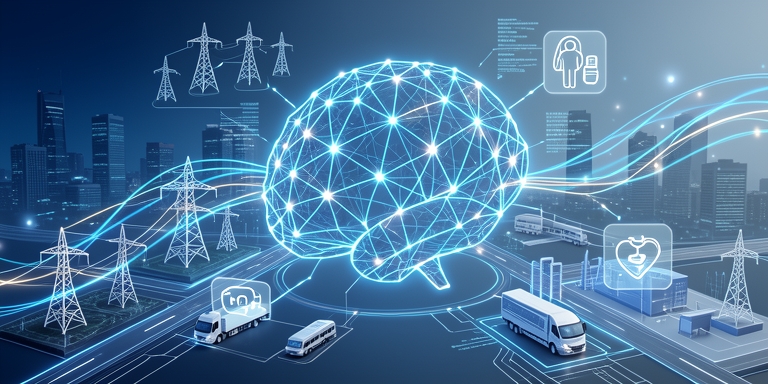
A newly released analysis proposes that U.S. authorities should formally recognize the artificial intelligence sector as critical infrastructure given its expanding role in national operations and susceptibility to cyber threats.
Formal Classification of AI as Critical Infrastructure
The study, authored by Americans for Responsible Innovation, recommends that the Cybersecurity and Infrastructure Security Agency (CISA) take primary responsibility for implementing cybersecurity measures within this domain.
Scope of the AI Industry
The document defines the AI industry broadly to include entities engaged in developing, training, deploying, and maintaining artificial intelligence systems. This encompasses advanced model development, data center operations, and specialized hardware manufacturing.
Risks and Vulnerabilities
Researchers emphasize that the AI ecosystem already demonstrates traits of critical infrastructure through its deep integration with public and private sector functions. They note that disruptions to AI systems could trigger widespread consequences across multiple economic sectors.
Supply Chain Compromise in Rust Ecosystem
A separate report details a supply chain compromise involving the Rust programming language ecosystem. Attackers introduced a malicious dependency by mimicking a widely used crate called proc-macro2 through a counterfeit package named proc-macro1.
Emerging AI-Driven Threats
Another analysis warns of emerging threats where adversaries leverage artificial intelligence to conduct sophisticated attacks on essential services. Federal authorities have issued urgent advisories regarding these developments.
Notable Cyber Incidents
A separate incident involved a hacking group known as Salt Typhoon infiltrating networks of major telecommunications providers. The breach affected numerous organizations including AT&T, Verizon, Viasat, Charter, and Windstream.
The analysis highlights heightened risks stemming from the domestic concentration of leading AI firms and computational resources. Recent incidents targeting data centers and e-commerce platforms underscore the dual vulnerability of AI-related assets to both physical and digital attacks.
Implementation Challenges and Coordination
Formal designation would enable access to federal security frameworks and resources. However, the report acknowledges potential administrative complexities given existing agency involvement in AI policy through departments such as Commerce and Treasury.
CISA’s Role and Coordination Needs
While CISA is positioned to manage this role, the distinct characteristics of AI technologies may require novel coordination mechanisms. The study references CyberScoop as its source of information.
Industry Events and Future Focus
The report includes references to upcoming industry events focused on cybersecurity challenges in the artificial intelligence era.

About Author








 English