

Ransomware Gang Claims Nutex Health Data Breach
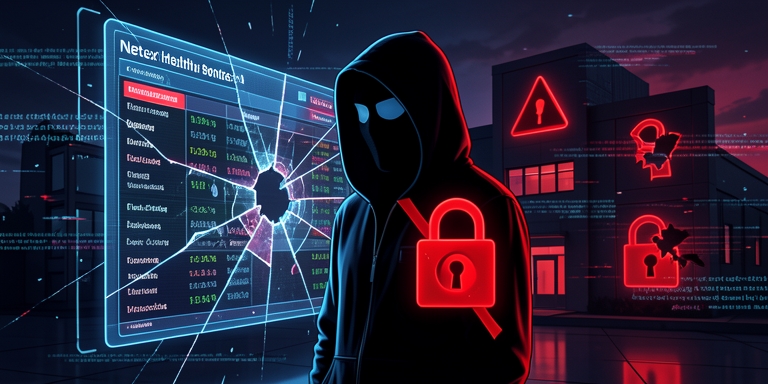
Ransomware Group Admits to Data Theft at Nutex Health A healthcare services and operations firm has disclosed that sensitive personal and business data was compromised in a recent cyberattack.
The Breach and Its Impact
The organization reported unauthorized intrusion into its network, with malicious actors accessing and stealing specific files from its servers. In a recent regulatory submission, the company confirmed that the stolen data encompasses patient records, employee details, provider information, business data, and financial records. A third party has warned of potential public disclosure of the information, though the company has not yet observed significant disruptions to its operational or financial systems. Investigations into the breach’s scope and impact are ongoing, with the firm noting the filing of a purported class-action lawsuit in Texas. The organization remains unable to assess the litigation’s outcome or the incident’s potential effects on its business strategy, operations, financial status, or stock valuation.
The Ransomware Group’s Tactics
While the entity has not identified the specific threat actor responsible, a ransomware collective known as The Gentlemen has publicly claimed accountability. The group has listed the Houston-based company on its Tor-based data leak platform, issuing a deadline of nine days for the alleged data release. The Gentlemen, operating under a ransomware-as-a-service model, emerged in mid-2025 and has targeted over 580 entities across 75 countries. The group employs double extortion tactics, encrypting victims’ data while simultaneously exfiltrating it to pressure payments.
Implications for Healthcare Organizations
The breach highlights the escalating threat landscape faced by healthcare organizations, with ransomware groups increasingly leveraging sophisticated techniques to exploit vulnerabilities. The Gentlemen’s modus operandi underscores the dual risks of data encryption and public disclosure, compounding the financial and reputational stakes for affected entities. As the investigation progresses, stakeholders will monitor developments closely, particularly regarding the potential legal and financial ramifications for the organization. The incident also serves as a reminder of the critical importance of robust cybersecurity measures, incident response planning, and regulatory compliance in safeguarding sensitive information.
Broader Cybercrime Trends
The ransomware group’s activities align with broader trends in the cybercrime ecosystem, where threat actors increasingly adopt decentralized models to maximize impact and evade detection. The use of Tor-based platforms for data leaks further complicates attribution and response efforts, as attackers exploit anonymity to amplify pressure on victims. For organizations, the case underscores the need for continuous monitoring, threat intelligence integration, and proactive mitigation strategies to address evolving ransomware tactics. As the healthcare sector remains a prime target, the incident reinforces the urgency of investing in comprehensive security frameworks to protect critical infrastructure and patient data.

About Author









 English