

Healthcare Cyberattacks Pose Risks to Pacemakers, Patient Data, and Medical Supply Chains
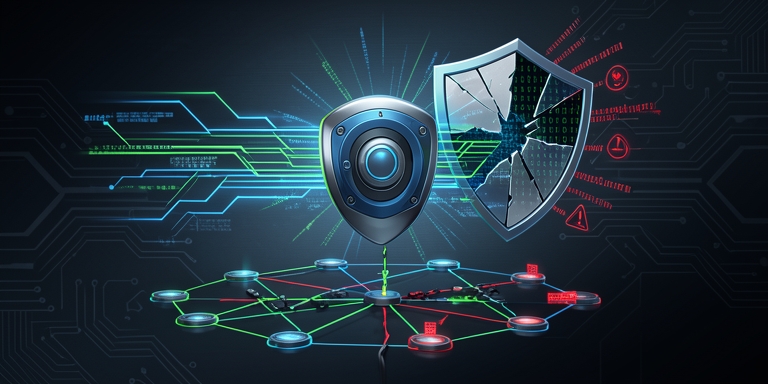
Recent cybersecurity incidents targeting medical device manufacturers and healthcare providers have revealed escalating risks to critical infrastructure, including connected cardiac devices, patient data systems, and pharmaceutical supply chains.
Boston Scientific Incident Disrupts Remote Monitoring Systems
A cybersecurity event at Boston Scientific, reported on August 25, led to network outages affecting specific on-premise systems. The breach impacted newly implanted cardiac rhythm management devices, preventing their remote monitoring capabilities from functioning. Patients with these devices could not transmit real-time data to healthcare providers until systems were restored. However, the company clarified that the devices themselves were not compromised and that older implants remained unaffected. The incident also disrupted manufacturing, ordering, and shipping operations. Boston Scientific engaged cybersecurity firms like CrowdStrike to investigate and mitigate the breach, though no timeline for full recovery has been disclosed. Patients with affected devices were advised to use in-person data transfer methods via the Clinic Assistant application.
McKesson Data Theft Raises Concerns Over Patient Privacy
A separate breach at McKesson involved unauthorized access to third-party applications linked to its Oncology & Multispecialty and Medical-Surgical divisions. The company confirmed the intrusion but has not yet specified the number of affected individuals or the exact data stolen. The ShinyHunters extortion group claimed responsibility, alleging the theft of over 284 million patient records and demanding $55.2 million in ransom. According to the group, the stolen data includes personal identifiers such as names, addresses, Social Security numbers, medical histories, and communication logs between patients and healthcare providers. The attackers reportedly gained access through voice phishing, a tactic that exploits human error to extract credentials or grant system access. This method has previously been linked to attacks on other healthcare entities, including Medtronic and Exact Sciences.
According to the group, the stolen data includes personal identifiers such as names, addresses, Social Security numbers, medical histories, and communication logs between patients and healthcare providers.
Healthcare Cybersecurity as a Patient-Safety Priority
The incidents highlight the intersection of cybersecurity and clinical safety. While no direct harm to implanted devices was reported in either case, disruptions to connected systems can hinder remote monitoring, delay treatments, and create operational bottlenecks. The broader implications extend to supply chain vulnerabilities, as attacks on third-party vendors like McKesson can indirectly affect patient care. Healthcare organizations face mounting pressure to secure both digital infrastructure and physical medical systems. The recent breaches align with a pattern of attacks targeting medical device manufacturers, as seen in Medtronic’s April 2026 incident, which disrupted corporate IT systems but did not impact product safety or distribution. For patients, the key takeaway is vigilance. While not all breaches result in direct harm, individuals using connected medical devices or receiving care from affected providers should monitor official communications. Suspicious requests for personal or financial information should be verified through trusted channels. The evolving threat landscape underscores the need for robust cybersecurity frameworks, continuous monitoring, and collaboration between healthcare providers, device manufacturers, and cybersecurity experts to mitigate risks to both data and patient well-being.

About Author







 English