

FBI Warns: Password Safety Isn’t Enough – Hackers Can Still Hijack Your Account
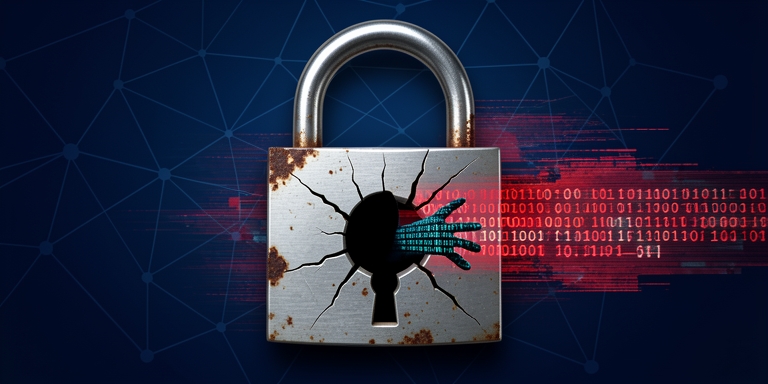
The FBI warns of a rising cybersecurity threat involving OAuth consent phishing, where attackers trick users into granting access to their accounts without stealing passwords.
Understanding OAuth Consent Phishing
The FBI has issued a public service announcement highlighting a rising cybersecurity threat involving a phishing method called OAuth consent phishing, which enables malicious actors to access user accounts without directly stealing passwords. This technique exploits the OAuth authorization framework, which allows applications to request access to user data without requiring login credentials. However, cybercriminals are manipulating this system by deploying deceptive applications that trick users into granting permissions.
How the Attack Works
Attackers typically initiate contact through phishing emails or messages that direct victims to counterfeit authorization pages resembling legitimate services. When users approve these requests, they inadvertently grant access to sensitive account information. Unlike conventional phishing attacks that focus on password theft, this approach leverages authorization tokens, which can provide prolonged access until the permissions are manually revoked.
Examples of Attacks
The FBI’s cyber division reported that threat actors are targeting individuals, their associates, and personal contacts by crafting messages designed to exploit trust. Recent incidents involved impersonating government officials, media entities, and other authoritative figures to deceive users. Additionally, criminals have used fake file-sharing or application-related prompts to entice approvals for malicious access. The agency warned that such tactics can lead to unauthorized access to email accounts, documents, and other confidential data linked to compromised profiles. Some campaigns have also involved attackers posing as familiar contacts or organizations to create a false sense of legitimacy.
The FBI advises users to scrutinize requests for account access from unfamiliar applications or messages. Verifying the sender’s identity and avoiding permissions for untrusted services is critical. Security experts recommend regularly auditing connected applications through account security settings and revoking access for unused or suspicious services. The agency emphasized that users should always verify the origin of unexpected messages and carefully evaluate authorization requests before granting approval.
Mitigation Strategies
To mitigate risks, the FBI advises users to scrutinize requests for account access from unfamiliar applications or messages. Verifying the sender’s identity and avoiding permissions for untrusted services is critical. Security experts recommend regularly auditing connected applications through account security settings and revoking access for unused or suspicious services. The agency emphasized that users should always verify the origin of unexpected messages and carefully evaluate authorization requests before granting approval.

About Author









 English