

Anthropic Enterprise Frontier Safeguards: Secure Claude Logs in Your Cloud
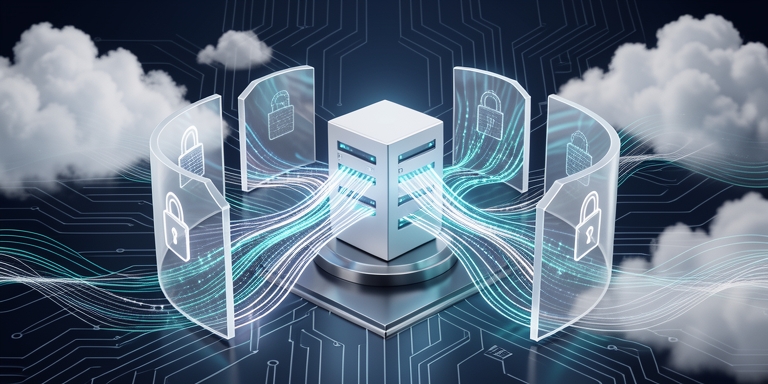
Anthropic unveils Enterprise Frontier Safeguards to ensure Claude logs remain within customer-controlled cloud environments, enhancing data governance and regulatory compliance.
Anthropic Introduces Enterprise Frontier Safeguards
Anthropic introduces Enterprise Frontier Safeguards to keep Claude logs within customer-controlled cloud environments. A coalition of eight financial institutions, including the CISOs from Goldman Sachs, Morgan Stanley, Citi, Bank of America, and Wells Fargo, collaborated with Anthropic to address concerns raised by regulatory bodies beyond standard performance metrics. The initiative focused on establishing protocols for deploying advanced AI models within critical financial systems.
Collaboration with Financial Institutions
The resulting framework, unveiled on Tuesday, is termed Enterprise Frontier Safeguards. This solution enables organizations to maintain full control over activity data used for misuse detection, storing it in their own cloud infrastructure such as Amazon S3, Azure Blob Storage, or Google Cloud Storage. Data remains encrypted under customer-managed keys, governed by their access policies and audit logging mechanisms.
Data Retention and Threat Detection
Automated systems identify potential threats and route alerts directly to the organization, ensuring Anthropic personnel do not access sensitive information. For regulated entities, this shift grants complete oversight of the alert management process. The decision to retain logs originated from evolving requirements for data governance. Previously, Anthropic employed a zero-data retention policy for its most advanced models, discarding prompts and responses after analysis.
Monitoring Parameters and Compliance
The company asserts that prolonged data retention is necessary to identify complex misuse patterns spanning multiple tasks, sessions, and accounts. Monitoring parameters under the new framework prioritize signals of severe misuse, including attempts to develop offensive cyber or biological capabilities and anomalies indicative of credential theft. Credential compromise cases highlight the necessity of this design, as stolen credentials generate seemingly normal requests individually.
Collaboration with Customers and Rollout
Anthropic also notes instances of autonomous agents executing harmful actions, a distinct risk from human misuse. Regulatory constraints on accessing privileged information, such as legal documents or drug safety reports, further underscore the importance of excluding Anthropic employees from human review processes. The safeguards have been developed in collaboration with over 100 customers, including a quarter of the Fortune 100 companies and all U.S. systemically important banks, alongside enterprises like Comcast, KPMG, Mastercard, Salesforce, and Visa.
Wells Fargo’s CISO, Munish Kumar Sharma, emphasized that the arrangement aligns with regulatory expectations by maintaining data custody while delegating detection responsibilities to Anthropic.
Support and Rollout Details
Support will extend to Claude Code, Claude Enterprise, the Claude Platform, Amazon Bedrock, Google’s Agent Platform, and Microsoft Foundry, with equivalent controls regardless of deployment method. Features such as customer-owned storage, encryption key management, and automated review are optional and do not alter model behavior, pricing, or performance metrics. Rollout will occur in phases, with general availability anticipated later this year.
Conclusion
The initiative reflects growing demands for transparency and control in AI deployment, particularly within highly regulated sectors. By prioritizing data sovereignty and minimizing third-party access, Anthropic aims to address systemic risks while enabling enterprises to leverage advanced AI capabilities securely.

About Author






 English