

Ransomware Attacks on Manufacturers Rise as Supply Chain Threats Escalate
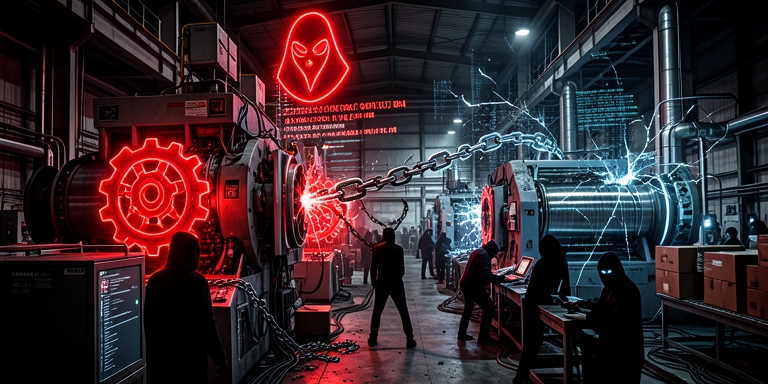
Manufacturing remains a primary target for ransomware attacks, driven by the cascading effects of disruptions across interconnected supply chains.
Ransomware Attack Statistics
Data from the first seven months of 2026 reveals a 40% year-over-year increase in incidents, with the sector experiencing significant operational and economic consequences.
Case Study: Jaguar Land Rover Disruption
A notable example occurred in September 2025 when Jaguar Land Rover temporarily halted production at its UK facilities, disrupting the daily output of approximately 1,000 luxury vehicles. This incident rippled through the supply chain, affecting over 5,000 additional organizations and contributing to a slowdown in national economic growth.
Long-Term Economic Impact
The long-term impact on Jaguar Land Rover included a decision to reduce its workforce by 4,000 employees, while the UK Cyber Monitoring Centre estimated a £1.9 billion financial toll, marking it as the most economically damaging cyberattack in the country’s history.
Black Kite Report Findings
The Black Kite 2026 Manufacturing & Distribution Ransomware Report highlights the sector’s vulnerability, emphasizing that mid-sized manufacturers—often serving as critical suppliers for larger enterprises—are disproportionately targeted. These companies represent the attack surface for larger organizations, as their compromise can disrupt broader supply chains.
Attack Trends and Vulnerabilities
From January 2023 to July 2026, Black Kite identified 5,237 ransomware victims across manufacturing and distribution sectors. The report underscores that ransomware operators prioritize industries where operational downtime creates immediate leverage, such as manufacturing, where production halts and delivery delays can strengthen negotiation positions.
Common Attack Vectors
Attackers leverage publicly accessible vulnerabilities, including unpatched systems, exposed services, leaked credentials, and misconfigured defenses. The first seven months of 2026 saw 1,183 ransomware incidents, a 40% rise compared to the same period in 2025.
Ransomware Group Activity
The number of active ransomware groups has also grown, with half of the attacks attributed to entities that emerged within the past two years. One such group, The Gentlemen, accounted for 12% of 2026 attacks, having claimed 142 manufacturing victims by mid-2026.
Regional Attack Patterns
The current ransomware landscape is dominated by groups such as Qilin, The Gentlemen, Akira, DragonForce, and INC Ransom. Regional trends show a shift in attack patterns, with Europe experiencing an 85% increase in ransomware incidents compared to 2025, while the U.S. saw a decline in attack volume from 52% to 35% of global incidents.
Supply Chain Interconnectedness
The interconnected nature of supply chains amplifies the impact of ransomware, as downstream victims—such as those affected by the Jaguar Land Rover incident—face cascading disruptions. Upstream attacks, like the Clop campaign targeting Cleo, resulted in nearly 400 disclosed victims.
Legislative Responses
Lawmakers are addressing these risks through legislation, such as the UK’s Cyber Security and Resilience Bill (CSRB), which empowers ministers to restrict supply chains from high-risk providers. This approach aims to incentivize improved security practices across the supply chain.
Future Outlook
Black Kite’s analysis confirms a persistent rise in ransomware activity, driven by expanding attack surfaces and the proliferation of threat actors. The report highlights the urgent need for enhanced security measures to mitigate risks as economic interconnectivity continues to grow. Without significant intervention, the trend of escalating ransomware attacks is expected to persist.

About Author









 English