

iPhone 18 Scam: ₹1,000 Pre-Booking Fraud Leads to ₹6.33 Lakh Loss
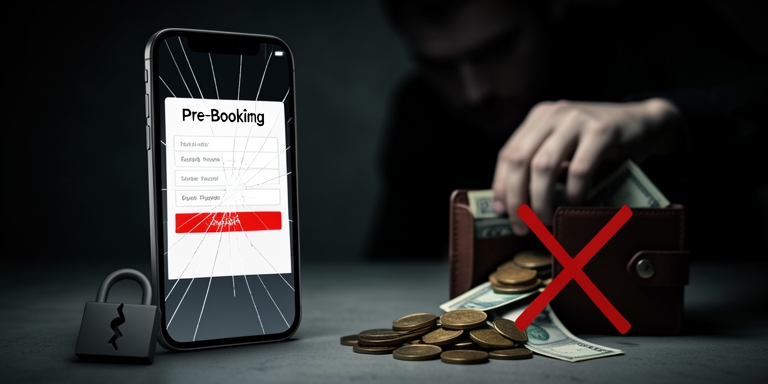
A woman physician from Saharanpur lost ₹6.33 lakh after falling for a Telegram-based iPhone-18 scam.
The Incident
Dr. Asma Ahmed, a physician from Saharanpur, fell victim to a scam involving a purported iPhone-18 offer on a Telegram channel. The scheme began with an initial payment of ₹1,000, escalating into multiple transactions under various pretenses.
The Scam Unfolds
Dr. Ahmed received a message on Telegram advertising the iPhone-18 at half its market value. She contacted the sender and paid a ₹1,000 pre-booking fee via UPI from her State Bank of India (SBI) account on September 15. Subsequent demands included ₹2,000 and ₹3,999 for “working charges” on the same day. On September 17, she transferred ₹22,043 as shipping fees from her Union Bank account. The next day, she sent ₹44,086 twice to finalize delivery. On September 19, the scammer threatened to suspend her account unless she paid ₹19,570 from her SBI account and ₹7,280 via Union Bank in two transactions.
Escalation of Fraud
Additional payments were made via SBI and YONO Cash over subsequent days. The scam followed a common pattern of offering high-value electronics at low prices to gain trust, then introducing incremental charges for delivery stages. Tactics included fabricated urgent requirements like account holds to pressure victims into further payments.
Law Enforcement and Public Advice
Law enforcement is investigating the financial trail, including fund movements and account operators. The case highlights how small initial payments can lead to larger frauds, with victims often unaware until substantial sums are transferred.
Preventive Measures
Individuals are advised to exercise caution when encountering offers for expensive items at prices far below market rates, especially on messaging platforms. Additional payments for shipping, verification, or account activation should be scrutinized. Scammers exploit the perceived legitimacy of initial transactions to normalize further demands.
Conclusion
The incident underscores the evolving strategies of cybercriminals targeting consumers seeking discounted electronics. The repeated-payment model, combined with psychological pressure, can lead to significant financial losses. Authorities continue to investigate to identify those responsible and prevent similar incidents.

About Author









 English