

From Bug Bounty Vulnerabilities to Secure Systems
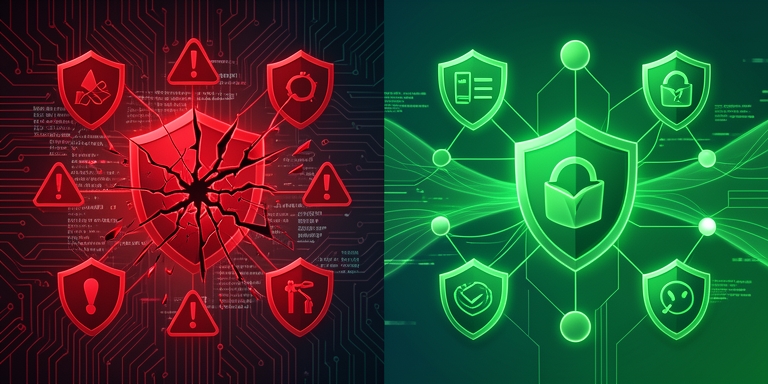
However, this evolution does not always translate to improved remediation processes for organizations.
Shlomie Liberow’s Perspective on Bug Bounty Evolution
Shlomie Liberow, a veteran in the field, outlines his decade-long perspective on how these programs have evolved for both researchers and enterprises. He emphasizes that addressing vulnerabilities identified through bug bounty efforts requires a systemic approach, focusing on interconnected infrastructure rather than isolated software components.
Strategies for Enhancing Security Postures
The conversation explores strategies for enhancing organizational security postures and the potential role of artificial intelligence in assessing protective measures.
Role of Ethical Hackers in Maintaining Effectiveness
Additionally, the discussion highlights how ethical hackers can maintain effectiveness by leveraging deep expertise and curiosity rather than relying on automated tools or chance discoveries.
Impact of Advanced Technologies on Vulnerability Discovery
The integration of advanced technologies into vulnerability discovery has introduced new dynamics to bug bounty programs. While these tools enable more efficient identification of weaknesses, the underlying challenge remains in addressing the root causes of security gaps.
Liberow’s Experience and the Scale of Security Findings
Liberow’s experience, spanning roles at HackerOne and collaborations with major organizations like Zoom, Salesforce, and the Pentagon, underscores the complexity of managing vulnerabilities across diverse environments. His work has involved evaluating over $20 million in verified security findings, highlighting the scale of risks addressed through these initiatives.
Challenges in Aligning Remediation with Digital Ecosystems
Organizations often struggle to align remediation efforts with the broader context of their digital ecosystems. Fixing a single reported flaw may not resolve underlying issues stemming from interdependent systems. This necessitates a shift in focus from reactive patching to proactive architectural reviews.
Advocating for Frameworks to Connect Vulnerabilities to Threats
Liberow advocates for frameworks that connect vulnerability data to real-world threats, enabling developers to address recurring issues systematically. Such approaches could reduce the likelihood of repeated exploits by embedding lessons learned into development workflows.
AI in Security Operations: Opportunities and Challenges
The emergence of artificial intelligence in security operations presents both opportunities and challenges. While machine learning models can analyze vast datasets to identify patterns, their effectiveness depends on how well they align with organizational risk profiles.
Complementing AI with Human Expertise
Liberow suggests that AI tools should complement human expertise rather than replace it, particularly in scenarios requiring contextual understanding of threat landscapes. This balance is critical as enterprises navigate the growing complexity of modern attack surfaces.
Future of Bug Bounty Programs: Collaboration and Innovation
Looking ahead, the future of bug bounty programs may hinge on fostering deeper collaboration between researchers and security teams. Liberow emphasizes that success in this space requires a combination of technical rigor and creative problem-solving.
The Enduring Value of Human Insight in Cybersecurity
As automated tools become more prevalent, the value of human insight in interpreting results and prioritizing risks will remain essential. This dynamic underscores the need for continuous learning and adaptation within the cybersecurity community.

About Author







 English