

Pentagon Data Breach Leak Exposes 3 Million Individuals’ Records
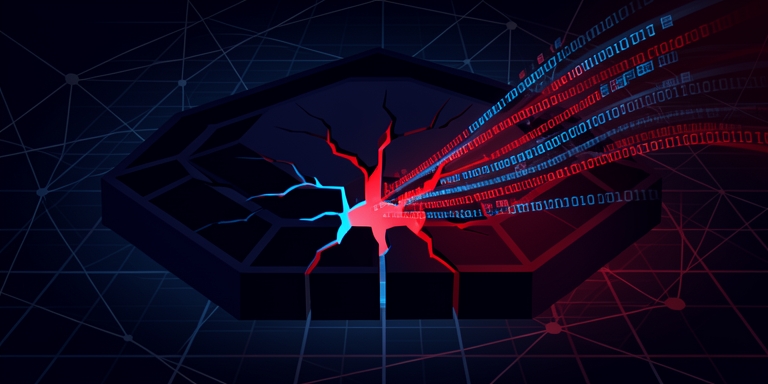
A security incident involving a U.S. Department of Defense personnel database has led to the exposure of sensitive personal information linked to approximately 3 million individuals.
Overview of the Pentagon Data Breach
The breach impacted data belonging to military personnel, civilian employees, and affiliated individuals, including Social Security numbers and employment records. The unauthorized access occurred between October 2025 and July 2026, with the vulnerability identified and resolved in July. Officials confirmed that no evidence of data misuse has been detected to date.
The compromised database, part of the Defense Department’s personnel management system, contains records for over 60 million individuals, including active-duty service members, reservists, civilian staff, contractors, retirees, veterans, and military family members. The breach affected 2.76 million living individuals and 294,000 deceased persons.
Affected parties are receiving identity protection and credit monitoring services, with officials urging vigilance against potential threats.
FBI Data Leak Incident
Separately, the Federal Bureau of Investigation (FBI) is investigating a separate data leak involving its jobs website. A cybergroup claimed unauthorized access to personal information of FBI employees, including names, addresses, contact details, Social Security numbers, and emergency contacts.
The agency stated the compromised system was not classified and did not contain national defense-related data. The group reportedly pledged not to release the alleged data, citing non-financial motives. FBI employees are being notified, and internal briefings are underway to address potential risks.
Implications and Ongoing Investigations
Both incidents highlight ongoing challenges in securing sensitive information within U.S. government institutions. Investigations into the Pentagon breach and FBI incident remain active, focusing on the scope of data exposure, security vulnerabilities, and potential misuse.
Further updates are anticipated as authorities continue their assessments. The breach underscores the critical need for robust cybersecurity measures to protect large-scale personnel databases. Affected individuals are advised to monitor their accounts and report suspicious activity.
Government agencies are emphasizing transparency and proactive mitigation strategies to address evolving threats. The Pentagon-related incident involved a security flaw that allowed unauthorized access to a database housing extensive personnel records. The vulnerability was exploited over a nine-month period before being identified and remediated.
While no direct evidence of data exploitation has emerged, the scale of the breach has prompted heightened scrutiny of defense sector cybersecurity protocols. The FBI’s separate incident, though distinct in scope, raises similar concerns about the security of federal employee data.
The agency’s response includes notifying affected personnel and implementing safeguards to prevent further exposure. Both cases highlight the importance of continuous monitoring and rapid incident response in mitigating risks associated with cyber threats.
Conclusion
Authorities are working to determine the full extent of the breaches and their potential implications. Ongoing investigations aim to identify the perpetrators, assess the impact of the compromised data, and strengthen protective measures for future incidents. The events have reignited discussions about the adequacy of current cybersecurity frameworks in safeguarding sensitive government information.

About Author








 English