

Google’s SynthID Bio: Non-Destructive Watermarking for AI-Designed Protein Binders
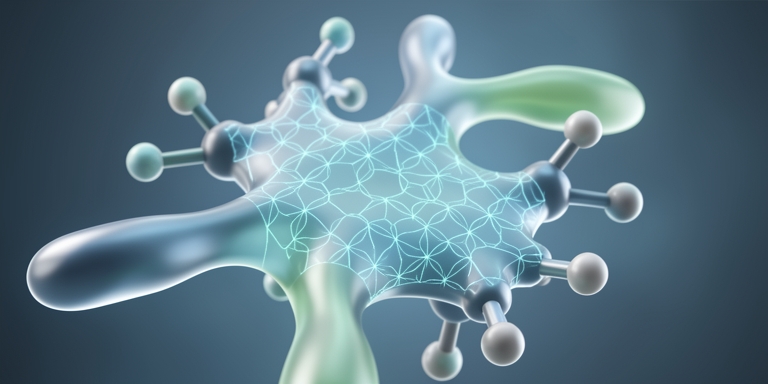
Google DeepMind’s SynthID Bio introduces a watermarking system for AI-generated proteins, ensuring functional integrity while enhancing biosecurity protocols.
Introduction
Google DeepMind has developed SynthID Bio, a watermarking system for AI-generated proteins. This technology embeds a unique identifier within the amino acid sequence and atomic coordinates of designed proteins, enabling verification of their origin. The initiative aims to address biosecurity risks by integrating safeguards into AI-generated biological materials.
Technical Implementation
Watermarking Mechanism
The system embeds a unique identifier within the amino acid sequence of a designed protein and the atomic coordinates of its predicted three-dimensional structure. This signature can be verified on the synthesized protein, according to the company.
Structural Predictions
DeepMind adjusted a portion of AlphaFold 3’s diffusion network to integrate the watermark into the model’s parameters. Predicted atomic coordinates retain the signature, with tests confirming resilience to minor coordinate shifts and digital noise.
Testing and Results
Wet-Lab Experiments
Testing involved protein binders engineered to interact with specific targets. Experiments on three targets—VEGF-A, the SARS-CoV-2 spike protein’s receptor-binding domain, and PD-L1—showed watermarked designs matched non-watermarked counterparts in binding efficiency, affinity, and sequence diversity.
Functional Viability
The hit rate, measuring successful binders, remained consistent, indicating the watermark did not impair functionality. DeepMind reported near-perfect detectability of the watermark without specifying exact metrics.
Applications Beyond Screening
The watermarking method could enhance public biological databases like the Protein Data Bank, UniProt, and GenBank. During submission, the watermark could flag synthetic entries for additional scrutiny, improving biosecurity assessments.
Challenges and Future Work
DeepMind acknowledges challenges in resisting deliberate tampering, suggesting complementary measures such as provenance metadata or centralized AI-generated data repositories. Ongoing research involves integrating SynthID Bio into Evo 2, a genomic model, to watermark bacteriophage genomes.
Industry Reception
“This approach is a promising tool for improving screening protocols,” said James Diggans, a biosecurity policy executive at Twist Bioscience.
Conclusion
DeepMind’s SynthID Bio balances biosecurity and scientific innovation by embedding verifiable safeguards into AI-generated proteins. The methodology paper, open-sourced code, and in vitro data are shared with the research community to foster collaboration and transparency.
FAQs
What is SynthID Bio?
SynthID Bio is a watermarking system for AI-generated proteins, ensuring functional integrity while enabling origin verification.
How does the watermark work?
The system embeds a unique identifier in the amino acid sequence and atomic coordinates of proteins, which can be verified post-synthesis.
What are the benefits?
It enhances biosecurity by flagging synthetic proteins for scrutiny, reduces risks of misuse, and supports trust in AI-generated biological data.

About Author









 English