

PM Modi Advocates AI Content Tracking Technology to Combat Deepfakes
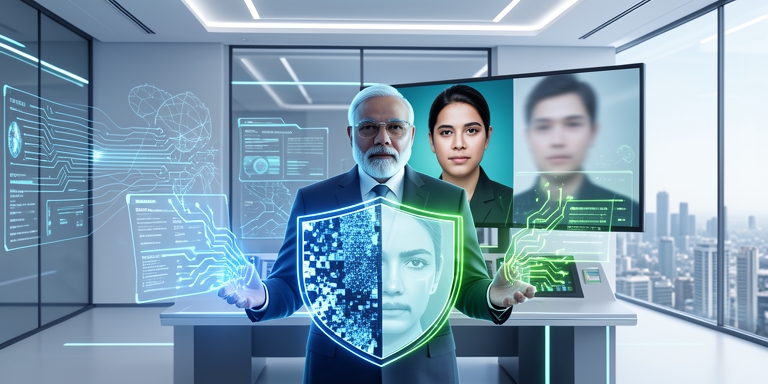
Prime Minister Narendra Modi has emphasized the necessity of developing technological frameworks capable of tracing the origins of artificial intelligence-generated content and deepfakes, underscoring the critical role of such tools in preserving public trust as AI adoption expands. The statement highlights the growing risks associated with synthetic media and the urgent need for verification mechanisms to distinguish authentic information from AI-manipulated material.
What Drives the Need for Deepfake Detection Mechanisms?
The Prime Minister’s remarks follow escalating concerns over the proliferation of AI-generated media, including images, videos, and other digital content, which are increasingly indistinguishable from genuine material. This trend has sparked debates about the reliability of online information and the potential for misuse in spreading misinformation. Modi stressed that technological advancements must include systems capable of verifying the authenticity of digital content, ensuring users can identify whether material has been artificially created or altered.
How Do Technologies Identify AI-Generated Content?
Advanced tools designed to detect AI-generated material analyze metadata and technical characteristics embedded in digital files, such as images and videos, to determine their origin. These systems aim to provide users with clear indicators of whether content is synthetic, enabling them to differentiate between real and manipulated media. However, the challenge lies in the evolving sophistication of AI models, which produce highly realistic outputs that complicate detection efforts. The development of robust verification tools remains a priority to address this technological arms race.
What Risks Does AI-Generated Content Pose?
Modi’s comments reflect broader anxieties about the impact of AI-generated content on public perception and the integrity of digital information. Deepfakes, for instance, can fabricate scenarios where individuals appear to make statements or perform actions they never did, leading to potential harm to reputations, misinformation, and societal unrest. The increasing accessibility of generative AI tools exacerbates these risks, as they enable malicious actors to create and disseminate deceptive content at scale. Establishing reliable methods to trace the origin of such material is essential to counter these threats.
Why Is Origin Verification Critical in the Digital Age?
Determining the source of digital content is vital for assessing its authenticity and understanding the role of AI in its creation. Without effective verification systems, manipulated material can coexist with genuine content, creating confusion and undermining the credibility of online information. Such tools could empower users to make informed judgments about the reliability of what they encounter, particularly when AI-generated content mimics real individuals or events. The Prime Minister’s emphasis on this issue underscores the necessity of integrating verification capabilities alongside AI development.
What Implications Does This Have for AI Development?
The call for origin-tracing technologies highlights the importance of embedding safeguards into AI systems as they become more deeply embedded in communication and media. Developers must prioritize creating tools that enhance transparency, enabling users to verify the authenticity of content. This includes not only detecting manipulated media but also establishing standardized methods for tracing digital content back to its source. The success of these measures will depend on their accuracy, adaptability to evolving AI techniques, and widespread adoption across platforms.
Implementing reliable detection and verification systems could significantly reduce the spread of manipulated information, ensuring users can navigate the digital landscape with greater confidence. The development of such tools represents a key step in balancing innovation with the protection of digital integrity.

About Author









 English