

SBI UPI Fraud Warning: Fake Refund Requests & Unexpected Deposits
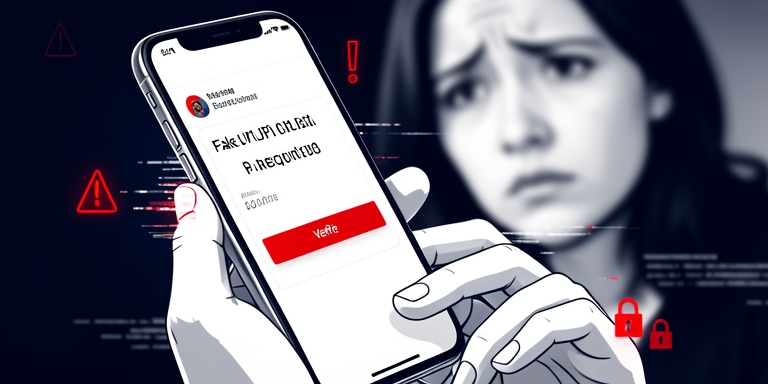
State Bank of India has issued a cybersecurity alert regarding a UPI-based fraud scheme involving deceptive refund requests and unauthorized credits.
Cybersecurity Alert Details
The warning, part of the bank’s National Cyber Security Month Special Campaign 6.0, highlights a tactic known as the “jumped deposit scam.” Cybercriminals exploit claims of accidental transfers to manipulate users into initiating large UPI payments. The bank emphasizes that unexpected account credits should be independently verified before any action is taken.
Understanding the “Jumped Deposit Scam”
The fraudulent process typically begins when victims receive unsolicited funds or are contacted by individuals asserting that money was mistakenly transferred to their account. These callers pressure recipients to refund the amount immediately, framing the situation as a simple banking error. Scammers often employ urgency or emotional manipulation to bypass critical thinking.
Fraudulent Transaction Process
The core deception involves persuading victims to authorize a UPI transaction for a significantly higher sum than the initial deposit. Once approved, the funds are routed to the fraudster’s account, leveraging the initial trust established through the false credit. SBI has warned that fraudsters exploit the inclination of individuals to rectify perceived mistakes.
The bank’s advisory, released on October 10, 2026, advises customers to remain cautious when encountering unsolicited requests for refunds. Key indicators of potential fraud include demands for immediate action and instructions from unknown parties. The bank stresses that hasty decisions without independent verification can lead to unintended financial losses.
Risk Mitigation Recommendations
To mitigate risks, SBI recommends that account holders confirm unexpected deposits through official banking channels rather than relying on claims from unknown callers. Users should avoid approving unfamiliar UPI requests and independently validate transaction details before proceeding. The advisory also notes that calls originating from the 1600 prefix may be legitimate but urges customers to verify the caller’s identity and purpose before sharing sensitive information or authorizing payments.
Important Verification Guidelines
When considering refunds, customers must recognize that an unexpected credit does not confirm the authenticity of a requester. The bank emphasizes the distinction between verifying incoming transactions and authorizing outgoing payments. SBI’s guidance underscores the importance of resisting pressure to act quickly, particularly when UPI authorizations are involved. Users are advised to contact their bank directly through verified channels if a transaction appears suspicious.
Final Advice
The central recommendation is to prioritize independent verification over compliance with urgent or persuasive demands. Always confirm transaction details through official channels and avoid acting on unsolicited requests. Stay vigilant to protect your financial information from evolving cyber threats.

About Author









 English