

Vehicle Forensics: What Your Car Knows About You
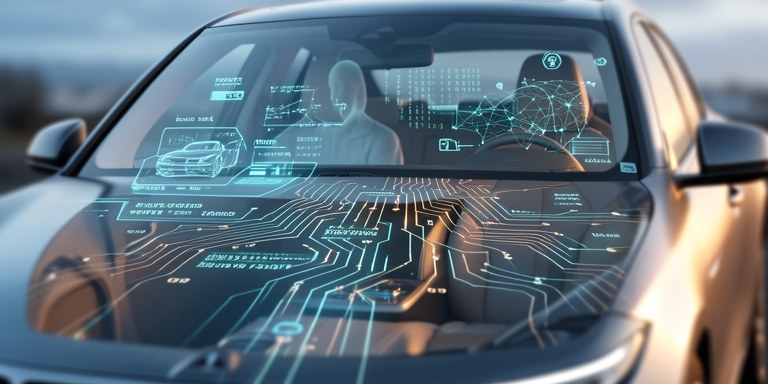
Day 15 of the Centre for Police Technology (CPT) 31-Day Cybersecurity Knowledge Series examines the role of vehicle forensics in uncovering digital evidence from modern transportation systems.
Understanding the Scope of Vehicle Forensics
Vehicle forensics involves the systematic collection, preservation, and analysis of data from automotive electronic systems and connected devices. Modern vehicles, including electric and traditional models, contain multiple electronic control units (ECUs), sensors, navigation modules, and onboard computers. These components may store information about speed, braking patterns, seatbelt usage, airbag deployment, location data, charging activity, and system malfunctions. Investigators also analyze dashcams, paired mobile devices, vehicle applications, fleet management platforms, and manufacturer-linked services when legally permissible.
The availability of evidence depends on the vehicle’s make, system configuration, data retention policies, and whether data has been overwritten or deleted.
Vehicle forensics involves the systematic collection, preservation, and analysis of data from automotive electronic systems and connected devices. Modern vehicles, including electric and traditional models, contain multiple electronic control units (ECUs), sensors, navigation modules, and onboard computers. These components may store information about speed, braking patterns, seatbelt usage, airbag deployment, location data, charging activity, and system malfunctions. Investigators also analyze dashcams, paired mobile devices, vehicle applications, fleet management platforms, and manufacturer-linked services when legally permissible.
Key Data Sources in Vehicle Investigations
Vehicles generate various forms of digital evidence that can aid in criminal investigations. GPS and navigation systems may retain location history and destination records, helping to establish travel routes and timelines. Infotainment systems can store call logs, contact lists, and media playback data, depending on the system’s settings. Telematics services, which connect vehicles to cloud-based platforms, often maintain records of vehicle status, location, and usage patterns. Dashcams and onboard cameras provide visual evidence of traffic conditions, collisions, or suspicious activities.
Electric vehicle systems may include battery management and charging logs, while diagnostic tools capture fault codes and system error reports.
Electric vehicle systems may include battery management and charging logs, while diagnostic tools capture fault codes and system error reports. However, investigators must interpret this data cautiously, as a GPS destination does not confirm arrival, and paired devices do not definitively prove who was operating the vehicle.
Risks Posed by Connected Vehicle Systems
The increasing connectivity of vehicles introduces new vulnerabilities for malicious actors. Vehicle theft can occur through compromised security protocols, stolen credentials, or exploits in keyless entry systems. Criminals may also use location tracking tools or connected applications to monitor an individual’s movements, enabling stalking, harassment, or planning of other crimes. Infotainment systems and cloud services may store personal data, which, if accessed improperly, could expose sensitive information such as contact lists or travel habits.
Fraudsters may manipulate odometer readings or vehicle history records to misrepresent a car’s condition, complicating resale processes.
Fraudsters may manipulate odometer readings or vehicle history records to misrepresent a car’s condition, complicating resale processes. Fleet operators face risks from cyberattacks targeting telematics platforms, which could disrupt logistics, falsify operational records, or enable unauthorized vehicle access. These threats highlight the need for robust security measures and awareness of potential attack vectors.
Law Enforcement Applications of Vehicle Forensics
Vehicle forensics plays a critical role in investigations involving traffic accidents, hit-and-run incidents, theft, insurance fraud, and cyberattacks on connected vehicles. Investigators cross-reference vehicle data with CCTV footage, toll transactions, traffic camera images, witness statements, and mobile device records to reconstruct events. Preserving electronic modules and acquiring data through specialized tools is essential to maintaining the integrity of digital evidence.
Investigators must avoid altering systems before consulting experts, as improper actions could erase or corrupt data.
Investigators must avoid altering systems before consulting experts, as improper actions could erase or corrupt data. Legal compliance is paramount, requiring documentation of acquisition methods, chain-of-custody procedures, and efforts to account for data discrepancies or encryption. While vehicle data can support investigations, it should not be treated as standalone proof without corroboration from other sources.
Protecting Personal Vehicle Data
Individuals can take proactive steps to secure their vehicles’ digital systems. Securing connected accounts with strong, unique passwords and enabling multi-factor authentication is crucial. Regularly reviewing access permissions for digital keys and paired devices helps prevent unauthorized use. Before selling or transferring a vehicle, users should remove personal devices and clear stored data according to manufacturer guidelines.
Adjusting privacy settings to limit data collection and sharing, installing official software updates, and avoiding unverified accessories or modifications further reduce risks.
Adjusting privacy settings to limit data collection and sharing, installing official software updates, and avoiding unverified accessories or modifications further reduce risks. In the event of an incident, preserving dashcam footage, messages, and records without altering them is vital. Reporting suspicious activity, such as unexplained tracking or account breaches, to authorities ensures timely intervention.
Strengthening Organizational Vehicle Security
Organizations managing fleets or connected vehicles must implement comprehensive security protocols. Maintaining an inventory of vehicles, onboard devices, and associated accounts helps track assets and access points. Restricting telematics platform access to authorized personnel, enforcing multi-factor authentication, and conducting regular audits of user permissions are essential.
Security updates should be applied promptly, and monitoring tools can detect unusual activity.
Security updates should be applied promptly, and monitoring tools can detect unusual activity. Establishing procedures for preserving evidence during collisions, fraud cases, or cyber incidents ensures data is not lost to routine retention policies. Collaboration between fleet managers, IT teams, and forensic experts enhances preparedness for digital investigations.
The Evolving Landscape of Vehicle Forensics
As vehicles become more integrated with software, automation, and cloud services, forensic investigations will increasingly rely on data from onboard systems, mobile applications, charging networks, and vehicle-to-infrastructure communications. This expansion offers new opportunities for evidence collection but raises challenges related to privacy, data ownership, and lawful access. Effective vehicle forensics requires trained specialists, validated tools, and interdisciplinary collaboration between law enforcement, automotive engineers, and cybersecurity professionals.
The digital footprint of a vehicle, though often overlooked, can provide critical insights into events and guide further inquiries.
The digital footprint of a vehicle, though often overlooked, can provide critical insights into events and guide further inquiries. The Centre for Police Technology continues its 31-Day Cybersecurity Knowledge Series, offering insights into emerging threats, investigative techniques, and best practices for securing digital assets in an increasingly connected world.
However, investigators must interpret this data cautiously, as a GPS destination does not confirm arrival, and paired devices do not definitively prove who was operating the vehicle.

About Author







 English