

Boosting Digital Security for Coworking Spaces: 7 Essential Upgrades by 2026
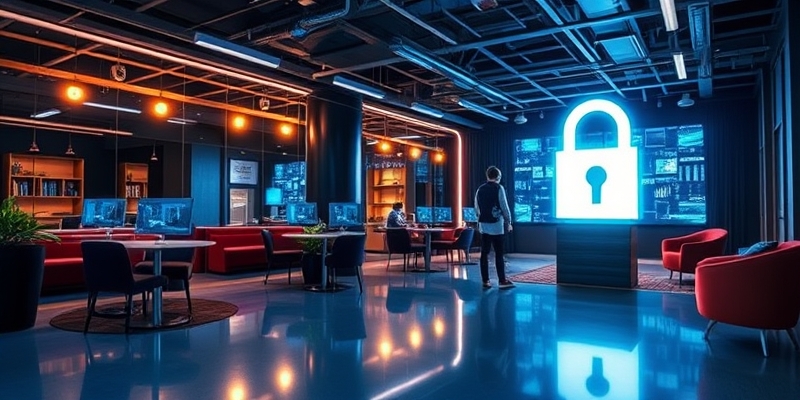
Cybersecurity Concerns for Co-working Spaces: Enhancing Digital Trust through Innovative Solutions
In 2025, the global cost of cybercrime was projected to reach $10.5 trillion, according to Cybersecurity Ventures. Meanwhile, a typical US data breach averages $10.2 million in damages, as reported by IBM. Many companies moving into flexible workspaces often lack a dedicated security team, leaving them vulnerable to risks such as firewall breaches, VPN vulnerabilities, and inadequate monitoring tools.
Addressing Cybersecurity Concerns in Co-working Spaces
- Advanced Access Control Systems: Some forward-thinking co-working spaces have replaced traditional keycard systems with sophisticated access controls, leveraging smart technologies to ensure secure entry and exit procedures.
- Artificial Intelligence-Powered Threat Detection: Co-working operators are deploying cutting-edge AI-powered threat detection systems to identify potential security threats before they materialize, providing early warnings and enabling swift response times.
- Workspace Design as a Security Feature: Co-working spaces are incorporating design elements that enhance security, such as secure drop boxes, panic rooms, and strategically placed surveillance cameras.
- Zero-Trust Networks for Members: To prevent lateral movement within the network, some co-working spaces are implementing zero-trust architecture, which assumes that all users and devices are untrusted until verified.
- Integrating Cybersecurity with Sustainability Governance: Co-working spaces are increasingly recognizing the importance of aligning cybersecurity practices with sustainability governance, acknowledging that both aspects are crucial for long-term success.
- Making the Business Case Irresistible: Operators are developing compelling business cases that highlight the benefits of investing in cybersecurity, demonstrating how proactive measures can mitigate potential costs and reputational damage.
- Expanding into High-Risk Markets: Finally, co-working operators are expanding into markets with high demand for security-as-a-service solutions, targeting industries and regions that require robust cybersecurity protections.
According to Cushman & Wakefield’s Global Flexible Office Trends 2025 report, 55% of global occupiers already utilize co-working options, while another 17% plan to increase their usage.
By adopting these innovative approaches, co-working spaces can upgrade digital trust for their members, establish themselves as trusted partners, and justify premium pricing in a competitive market.

About Author






 English