

Fake Upstox App Scam in Varanasi: Man Loses ₹13 Lakh via WhatsApp
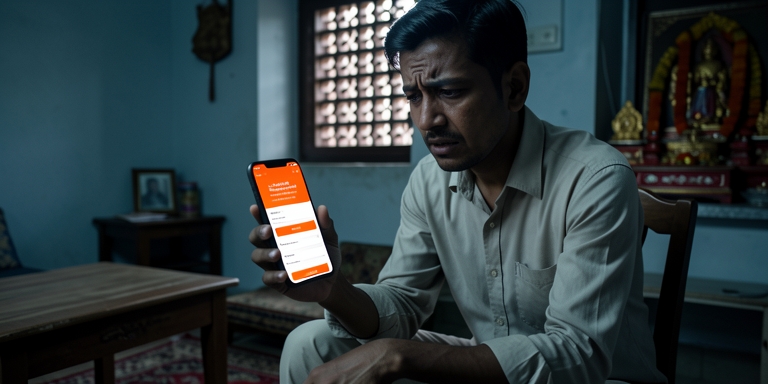
A Varanasi resident suffered a financial loss of ₹13 lakh after falling victim to a fraudulent application mimicking the legitimate trading platform Upstox.
Incident Overview
A Varanasi resident suffered a financial loss of ₹13 lakh after falling victim to a fraudulent application mimicking the legitimate trading platform Upstox. The incident underscores vulnerabilities in user verification processes despite regulatory efforts to address such threats.
Details of the Scam
The scam began when an individual posing as Aditi Verma contacted the victim on 2 June, promoting an investment opportunity through an application named Upstox DMA. This cloned platform falsely claimed to offer high returns on stock market transactions.
Timeline of Transactions
Over a six-week period, the victim transferred approximately ₹13 lakh in installments from his wife’s savings account at Indian Bank. The funds were withdrawn in multiple transactions between 16 June and 30 July, after which the victim discovered that neither the promised profits nor the principal amount could be recovered.
Upstox’s Response
Upstox has previously highlighted a recurring pattern of cybercriminals creating counterfeit digital assets to target its user base of over 14 million customers.
Previous Incidents
Since 2024, the company’s cybersecurity team has documented systematic efforts by fraudsters to establish fake social media profiles, applications, groups, and websites impersonating the brand. These schemes often involve fabricated stock tips and guarantees of high returns to lure investors.
Similar Cases
A similar case in Delhi involved a woman losing ₹24 lakh after being enrolled in a group named “V5-VIP Upstox Services Group,” managed by an individual posing as an Upstox representative.
SEBI’s Warnings
Regulatory authorities have also noted this impersonation strategy. The Securities and Exchange Board of India (SEBI) has issued formal warnings about fraudsters forging documents, replicating registration numbers, and creating interfaces that closely resemble authentic platforms.
A 2025 circular from SEBI emphasized that such schemes typically begin with small, fabricated profits to build trust before inducing victims into transferring larger sums that are ultimately unrecoverable.
Verification System and Challenges
In response to these threats, SEBI introduced a verification system in March 2026, partnering with Google to add a “Verified” label to trading apps listed on the Google Play Store. This initiative aims to address the specific vulnerability exploited in this case, as fraudulent applications often appear legitimate at first glance but lack genuine regulatory approval.
User Awareness Gaps
However, the system’s implementation and awareness among users appear to have been insufficient to prevent this incident.
Cybercrime Advice
Cybercrime investigators stress that verifying a broker’s SEBI registration number through the regulator’s official website remains the most reliable safeguard. They also advise against transferring funds to personal bank accounts, a practice that has been flagged in numerous similar cases.
Conclusion
The case highlights the ongoing challenges in combating sophisticated phishing operations and the critical need for continuous investor education. With India’s retail investor base surpassing 140 million, the rapid expansion of the market has outpaced efforts to educate users on identifying fraudulent platforms.
Ongoing Investigations
Authorities are currently tracing the financial transactions and digital footprint of the communication channels used in this scam to determine if the same tactics have been employed against other victims.

About Author









 English