

Illegal Loan Apps Scandal: ₹800 Crore Losses in Kerala
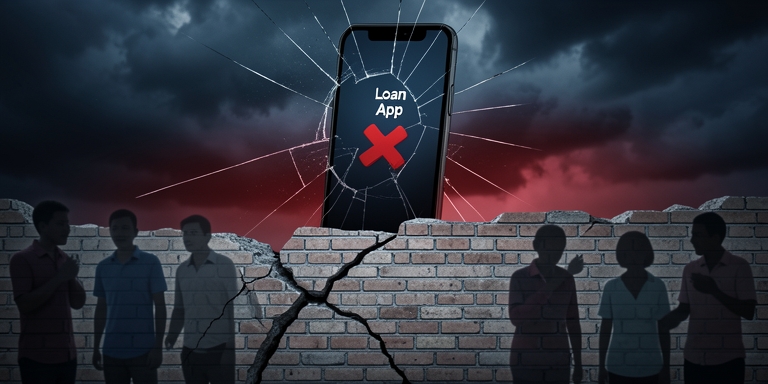
Illegal digital lending platforms have caused ₹800 crore in losses in Kerala through deceptive schemes targeting financially vulnerable individuals.
Overview of the Crisis
A network of unauthorized digital lending platforms has caused significant financial harm across Kerala, with victims losing approximately ₹800 crore through deceptive loan schemes. These operations have targeted individuals facing economic hardship, employing tactics that include data exploitation, coercive recovery practices, and psychological manipulation.
Targeted Vulnerable Groups
Investigative bodies have identified patterns of abuse affecting women, low-income households, small business owners, students, and those in financial distress. Multiple cases involve severe emotional trauma, with some victims reportedly driven to self-harm due to relentless pressure.
Methods Used by Cybercriminals
Cybercriminals deploy social media ads, messaging apps, and counterfeit websites to attract users with promises of rapid loan approvals requiring minimal documentation. During the application process, users are often prompted to grant access to critical device functions, such as contact lists, photo libraries, camera feeds, microphone access, and location tracking.
Exploitative Loan Practices
Once a loan is issued, borrowers encounter exorbitant interest rates, undisclosed fees, and unrealistic repayment timelines. Delinquency triggers aggressive collection efforts, including contacting relatives, colleagues, and acquaintances to pressure debtors. Some victims have received threats involving the distribution of manipulated images or defamatory messages to their networks, leading to reputational damage.
Psychological and Financial Impact
The psychological toll on affected individuals has been severe, with many experiencing prolonged emotional distress. Law enforcement agencies have traced these operations to organized groups operating across multiple regions in India and internationally. Perpetrators allegedly utilize shell corporations, fraudulent bank accounts, payment processing systems, and intermediary financial accounts to obscure the flow of illicit funds, complicating investigative efforts.
Expert Analysis and Recommendations
Cybersecurity analysts highlight that these schemes represent a complex intersection of financial fraud, data exploitation, and organized cybercrime. Initial loans are often small, but escalating interest rates, penalties, and hidden charges rapidly amplify debt burdens. Coercive recovery strategies and persistent intimidation then exacerbate both financial and mental health crises.
According to Prof. Triveni Singh, a prominent cybercrime expert and former IPS officer, these apps exploit financial vulnerability and limited digital literacy. He cautioned against granting unverified applications access to personal data, stressing the heightened cybersecurity risks. He advised individuals to seek loans only from licensed financial institutions adhering to regulatory standards and urged victims of digital harassment to report incidents to cybercrime authorities or local police.
Call for Enhanced Measures
Cybersecurity professionals recommend verifying the legitimacy of any lending application before engaging. Analysts note that as digital financial services expand, enhanced regulatory oversight of unlicensed lending platforms, improved collaboration between financial institutions, technology providers, and law enforcement, and increased public education on cyber threats are critical to addressing this growing issue. They underscore that proactive enforcement and informed digital practices remain the most effective defenses against the evolving threat of unauthorized loan app fraud.

About Author







 English