

Pan-India Cyber Scam “WhatsApp Calls to Fake Arrests,” Trapped Victims

“Indians suffering from pan-india cyber scam which involves “WhatsApp Calls to Fake Arrests.”
A multi-state investigation that started with a ₹99,000 complaint at a Delhi police station has revealed how impersonation, mule accounts, and SIM-based WhatsApp access fuel a new wave of cybercrimes known as “digital arrests.”
The case began with a complaint at the Shaheen Bagh police station, where a resident claimed that after getting WhatsApp video calls from people pretending to be Karnataka Police officials, they were forced to deposit ₹99,000.
The callers allegedly threatened him with made-up criminal charges, stating that his cell phone and Aadhaar number were connected to major crimes.
Delhi Police Officials
| These accusations have come to represent a fast-growing fraud model that focuses more on psychological intimidation than typical phishing, a strategy now commonly known as the “digital arrest” scam. |
Hemant Tiwari, Deputy Commissioner of Police, (Southeast)

| In order to create the appearance of official authority, the accused used video calls to pose as government and law enforcement authorities. According to reports, victims were informed that they were being investigated right away and were told to send money in order to avoid being arrested or facing other consequences. |
How Does the “Digital Arrest” Scam Work?
Investigators claim that specific but untrue stories about criminal cases, interstate investigations, and Aadhaar usage were used to support these calls. Victims were more cooperative under duress when a WhatsApp video was used instead of just voice calls because it offered a degree of legitimacy.
An Intermediary-Based Network
Police linked the accused to a larger network of interstate and international computer fraud as the investigation grew. According to officials, the people who were arrested were not operating in a vacuum; rather, they were a part of an ecosystem that included handlers, SIM providers, and mule account providers that allowed access to banking channels and WhatsApp accounts.
Officer, Investigation
| “This layer in between is crucial.”
“These frauds cannot scale without easy access to bank accounts and SIM-based communication.” |
Investigators were able to map the suspects’ activities and connect them to several complaints filed on the National Cybercrime Reporting Portal (NCRP) through technical examination of call logs, financial trails, and digital footprints.
Arrests in Every State, Scale Still Developing
The following six individuals identified by police have been arrested:
- Dharmender Chauhan,
- Somveer Saini,
- Mohammad Ahteshamul Haq,
- Santosh Kumar,
- Khandai Muhammad Bugari P P, and
- Muhammad Shahid T.
As a precaution, four more people were restrained.
Raids were conducted across seven states, including
- Delhi,
- Kerala,
- Maharashtra,
- Odisha,
- Punjab,
- Uttar Pradesh, and
- Haryana
Police
| 66 cyber-fraud allegations connected to the arrested persons have been linked to over ₹50 crore, indicating a significantly larger scale than the initial complaint showed. |
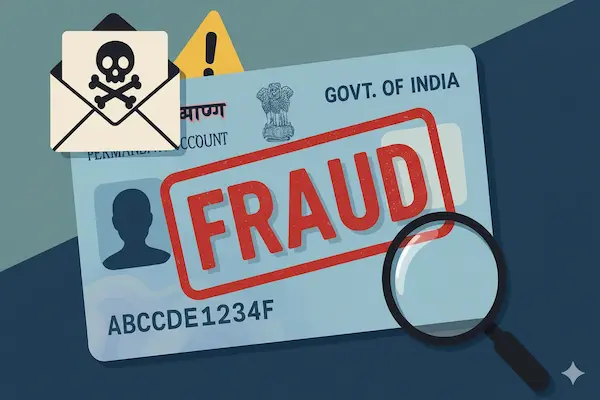
An Increasing Difficulty for the Police
According to Delhi Police officers, the case serves as an example of how cybercrime in India is changing from isolated online scams to organized, multi-layered networks that incorporate identity theft, technology, and psychological pressure.
Even though arrests are a big start, investigators admit that the most difficult task is still breaking up the larger infrastructure, especially the middlemen who supply SIM cards and mule accounts.
Authorities anticipate more arrests and financial connections to surface as the probe goes on, highlighting how “digital arrests” have emerged as a new front in India’s cybercrime scene.
About The Author
Suraj Koli is a content specialist in technical writing about cybersecurity & information security. He has written many amazing articles related to cybersecurity concepts, with the latest trends in cyber awareness and ethical hacking. Find out more about “Him.”
Read More:
Recent Online Shopping Scam Exposed Major Supply-Chain Fraud Involving Mau, UP
About Author







 English