

Poland Restricts Chinese-Made Vehicles at Military Installations and Secure Sites
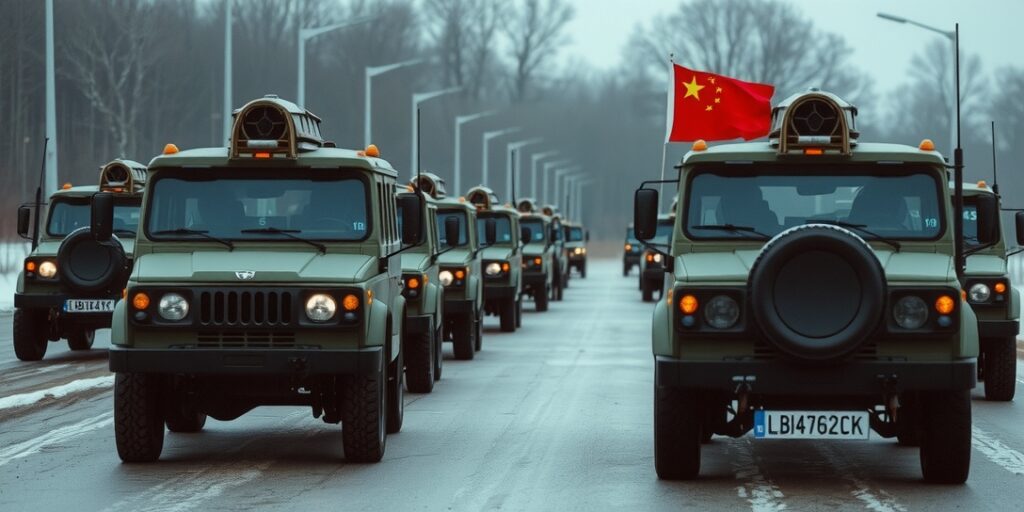
Poland Bans Chinese-Made Vehicles at Sensitive Military Installations
Poland’s military has implemented a ban on Chinese-made vehicles at sensitive installations, citing concerns over the potential for unauthorized data collection and exploitation.
Reasons Behind the Ban
The decision follows a thorough risk assessment that highlighted the increasing integration of digital systems in modern cars.
The new regulations prohibit Chinese-manufactured cars from entering protected military sites, due to the potential risks associated with their onboard systems.
These systems, which can record and transmit sensitive information such as location, images, and audio, pose a significant threat to military security.
Scope of the Ban
The ban also extends to other vehicles equipped with devices capable of capturing and storing sensitive data.
However, the restrictions do not apply to publicly accessible military facilities, such as hospitals and libraries, or to official vehicles and equipment owned by the Polish Armed Forces.
According to Colonel Marek Pietrzak, the new measures are designed to mitigate the risks associated with the use of Chinese-made vehicles at sensitive military installations.
Global Context
The ban on Chinese-made vehicles is not an isolated incident, as a growing number of countries have imposed restrictions on certain Chinese technologies due to security concerns.
The use of Chinese-made cars and other devices has raised concerns among security experts, who warn that they could be used to gather sensitive information and compromise national security.
Conclusion
The Polish military’s decision to ban Chinese-made vehicles at sensitive installations is a prudent measure aimed at protecting national security and preventing potential data breaches.
As the use of digital systems in cars and other devices continues to grow, it is likely that other countries will follow suit and implement similar restrictions to mitigate the associated risks.

About Author








 English