

Six Arrested in ₹24 Crore Elderly Woman Psychological Online Scam Case
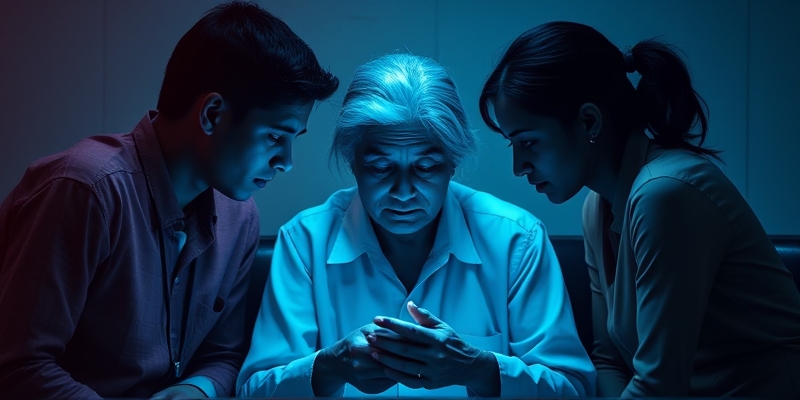
Bank Staff Alerts Lead to Arrests in ₹24 Crore Digital Arrest Scam
A sophisticated “digital arrest” scam led to the arrest of six individuals after a 74-year-old retired teacher from Bengaluru transferred ₹24 crore over four months.
The case began when a private bank manager flagged suspicious transactions to authorities, prompting an investigation that uncovered a well-organized network of cybercriminals operating across state lines.
The elderly woman was subjected to intense psychological pressure, prompting her to comply with the scammers’ demands. Between February 10 and March 24, the victim made 26 separate transfers totaling ₹24 crore, routing the money through 23 mule accounts across various banks in different states.
- The police investigation revealed that the scammers gathered detailed information about the victim’s financial background and recent property sale, which they used to build targeted psychological pressure.
- The authorities have since frozen several mule accounts, recovering around ₹4 crore and blocking another ₹1.46 crore.
- The remaining funds are believed to have been laundered through multiple transactions to conceal their trail.
Cyber experts describe “digital arrest” as a growing type of fraud where perpetrators impersonate government agencies and manipulate victims through video calls, messages, and fabricated legal threats.
Law enforcement faces significant challenges in addressing this type of crime, as victims often struggle to differentiate between authentic and fake government communications.
Police are currently analyzing phone records, call detail records, and banking transactions to identify additional suspects involved in the scam and uncover its broader scope.
As the investigation unfolds, authorities urge citizens to remain vigilant and verify any financial or legal claims through official channels before taking action. Further arrests are expected once digital forensic analysis is completed.

About Author









 English