

Two Arrested in Cyber Fraud Cases Involving ₹32.81 Lakh
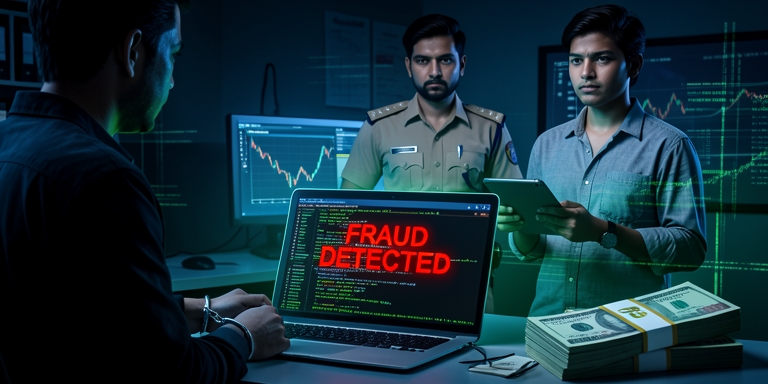
Two individuals have been taken into custody in distinct cyber fraud incidents involving total financial losses of ₹32.81 lakh, according to law enforcement reports.
Victim Coerced Through False Allegations of Financial Crimes
A 34-year-old man from Howrah, West Bengal, was detained by authorities following allegations of orchestrating a fraud that targeted a woman. According to the investigation, the suspect contacted the victim and falsely asserted that she was implicated in money laundering and human trafficking activities. The victim was then subjected to a digital arrest process, which compelled her to transfer ₹9.51 lakh to an account provided by the perpetrator.
The arrested individual, Raj Kumar Shaw, was presented before a court, which ordered his judicial detention on Saturday. This case underscores a tactic where fraudsters exploit threats of severe legal consequences to coerce victims into transferring funds.
Social Media-Driven Investment Scam Results in Significant Financial Loss
In a separate incident, a 32-year-old man from West Bengal, Mohammad Umar, was arrested for allegedly defrauding a victim of ₹23.3 lakh through an investment fraud scheme. The suspect was apprehended in Kolkata after authorities traced the transaction trail. According to the police report, the victim followed instructions from a group administrator to transfer the funds into multiple accounts.
During interrogation, he allegedly disclosed the involvement of two other individuals in the scheme. However, these additional suspects remain at large. The accused was also remanded to judicial custody following court proceedings.
Ongoing Investigations Target Additional Perpetrators
Law enforcement agencies are continuing to trace the financial flows in both cases. In the digital arrest scenario, efforts are focused on locating the second suspect allegedly involved in the fraud. In the investment fraud case, investigators are pursuing the two additional individuals identified during questioning. Both incidents involved victims transferring funds to accounts controlled by the perpetrators, highlighting the evolving methods used in cyber-enabled financial crimes.

About Author








 English