

What is the Arattai messaging app, and is it a viable alternative to WhatsApp in India? The IT minister has been discussing it.
What is the Arattai messaging app?
Arattai, a messaging app created in Chennai, is recommended by Union Education Minister Dharmendra Pradhan as a safe substitute for WhatsApp in India. The software showcases regional creativity, but in order to compete completely, message encryption needs to be strengthened.
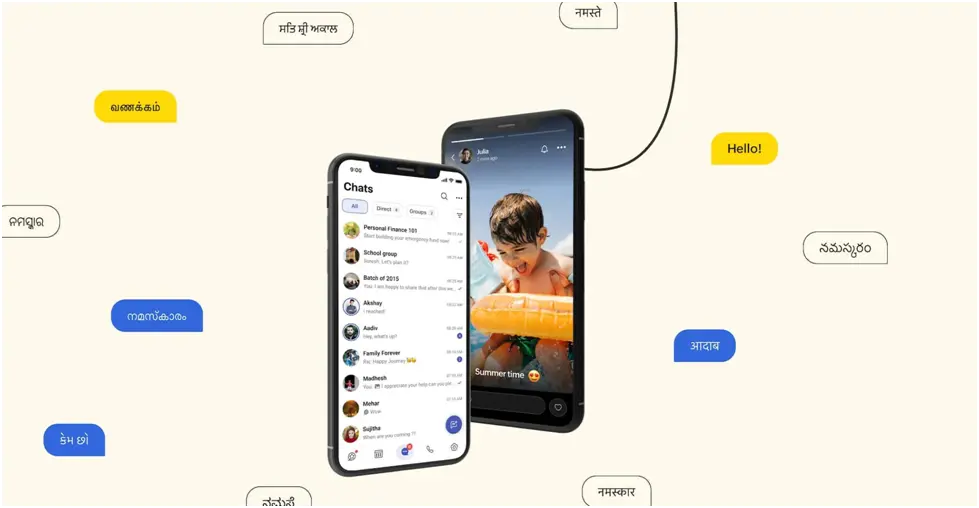
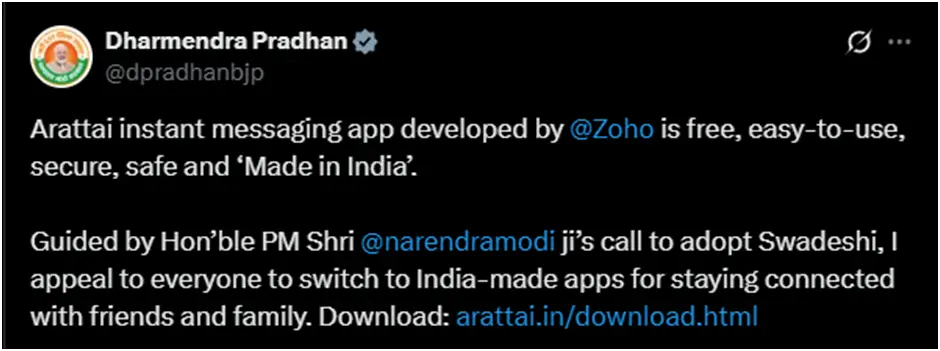
The government of India is supporting a new competitor in the texting space. Union Education Minister Dharmendra Pradhan promoted Arattai, a native messaging software created by Chennai-based Zoho Corporation, as a WhatsApp substitute that is built in India, to the public on Wednesday.
Pradhan highlighted Arattai’s domestic origins by describing it as “free, easy-to-use, secure, and safe” in a post on the social media platform X. He urged people to support locally produced digital tools to stay in touch with friends, family, and coworkers, tying his suggestion to Prime Minister Narendra Modi’s Swadeshi campaign.
The app’s name, Arattai, which translates to “casual chat” in Tamil, alludes to its primary goal of simplifying and enhancing daily communication. In addition to making audio and video calls, users may create stories, manage channels, and share text messages, photos, videos, and documents. The platform is a flexible choice for both personal and professional use since it allows businesses to reach audiences through content-sharing features.
Arattai was created with user privacy in mind and now provides end-to-end encrypted communications, which protect audio and video chats from prying eyes. The app, which enables users to stay connected while promoting local innovation, is a component of Zoho’s larger aim to offer Indian substitutes for international digital products.
Now, for the parent business, Zoho Corporation, which was established in 1996 by Sridhar Vembu and Tony Thomas, is a well-established player in the software industry. The company, which has its headquarters in Chennai, provides more than 55 business apps, including those for project management, email, CRM, HR, and accounting. With over 130 million users in 150 countries, Zoho’s clientele includes multinational behemoths like Amazon, Netflix, Deloitte, Puma, Toyota, Sony, and L’Oréal. Its tagline is “Made in India.” “Made for the world” emphasizes its goal of competing globally while maintaining strong domestic roots.
The government is aware of this. In a subtle support of regional tech solutions, Union IT and Railways Minister Ashwini Vaishnaw showcased Zoho’s products earlier in the day during a Union Cabinet briefing. She said that the presentation was made with Zoho Show rather than Microsoft PowerPoint.
Can Arattai Replace WhatsApp in India?
Arattai is not yet prepared to completely compete with WhatsApp, despite its increasing popularity and positive ratings. The absence of end-to-end encryption for messages is a significant drawback.
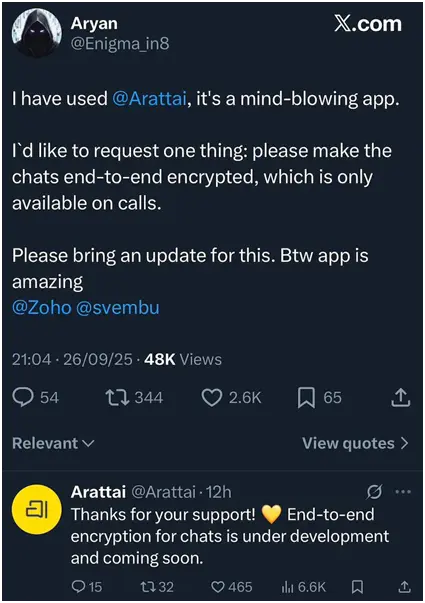
A security measure called end-to-end encryption makes sure that only the sender and the recipient can read the messages. The content is inaccessible even to the service provider. It guards against hackers, spying, and unauthorized access to private and business communications. Arattai does provide encrypted calls, but communications are still susceptible, which may worry consumers who value their privacy.
Arattai is currently unable to provide the same degree of privacy protection that users anticipate from WhatsApp due to the lack of end-to-end encryption for messages.
The government’s larger effort to promote the adoption of domestic technology is also reflected in the promotion of Arattai. Ministers are promoting Indian-made platforms in an effort to foster local innovation and lessen dependency on multinational behemoths.
Arattai is currently establishing itself as a domestic substitute with potential for expansion. Zoho might be the app that revolutionizes casual chat for millions of Indians if it can close important security flaws and keep adding new features.
About The Author:
Yogesh Naager is a content marketer who specializes in the cybersecurity and B2B space. Besides writing for the News4Hackers blogs, he also writes for brands including Craw Security, Bytecode Security, and NASSCOM.
Read More:
Latest LockBit 5.0 is Targeting Linux, ESXi, and Windows
About Author








 English