

Coordinated OT Cyberattacks Target Minnesota Water Utilities
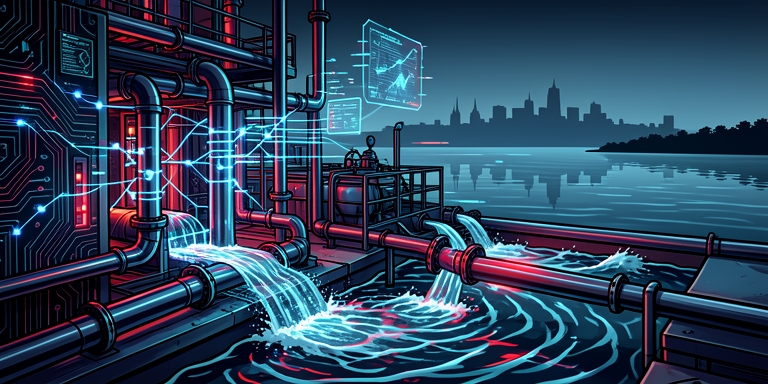
State and federal authorities are investigating a series of cyber incidents targeting operational technology (OT) systems at over 30 community water facilities in Minnesota.
Cyberattacks on Water Utilities
The attacks, which occurred between July 26 and 27, disrupted automated control functions at several locations, though most utilities maintained service through contingency measures. Affected municipalities, including Maple Plain, Braham, South St. Paul, and Plymouth, reported varying impacts, with some systems experiencing temporary operational interruptions.
The City of Braham temporarily shut down its water plant following the incident, advising residents to reduce water consumption. Officials stated that attackers disabled operating controls, halting well operations and water treatment processes. Plymouth noted that the disruption was confined to equipment utilizing cellular communication networks.
All affected entities confirmed that drinking water remained safe and wastewater services continued without significant disruption.
Origin of the Attacks
The origin of the attacks remains unconfirmed, though recent warnings from U.S. authorities highlighted increased threats against industrial control systems (ICS) from Iran-linked groups. Entities such as CyberAv3ngers and Handala, known for targeting ICS infrastructure from vendors like Siemens, Rockwell Automation, and Schneider Electric, are under scrutiny. However, no formal attribution has been publicly disclosed.
Expert Analysis
Harry Thomas, CTO of OT security firm Frenos, highlighted the potential consequences of compromised control systems, referencing MITRE ATT&CK for ICS frameworks. He explained that disruptions could lead to loss of visibility, control, or manipulated data, creating scenarios where physical processes operate independently of operator oversight. Thomas warned that sustained losses might necessitate manual interventions, while manipulated data could escalate to safety or availability risks.
Denis Calderone, CTO of Suzu Labs, pointed to the reliance on cellular communication for remote infrastructure like water towers and pump stations. He noted that such connections are often overlooked in risk assessments, making them potential entry points for attackers. Calderone referenced past incidents, including 2020 attacks on Israeli water facilities, where vulnerable cellular routers were exploited. He suggested that similar vulnerabilities might exist in U.S. infrastructure, urging a reevaluation of system assessments.
Seemant Sehgal, founder of BreachLock, emphasized the need to identify common attack vectors across the Minnesota incidents. He warned that similar weaknesses could persist in water systems nationwide, stressing the urgency of proactive mitigation.
Broader Implications
The attacks coincide with heightened concerns about ICS security, as threat actors increasingly target critical infrastructure. While no definitive link to specific groups has been established, the incidents underscore the growing risks to OT environments and the importance of robust defense strategies.

About Author




 English