

Coordinated Cyberattack Hits 30+ Minnesota Water Utilities
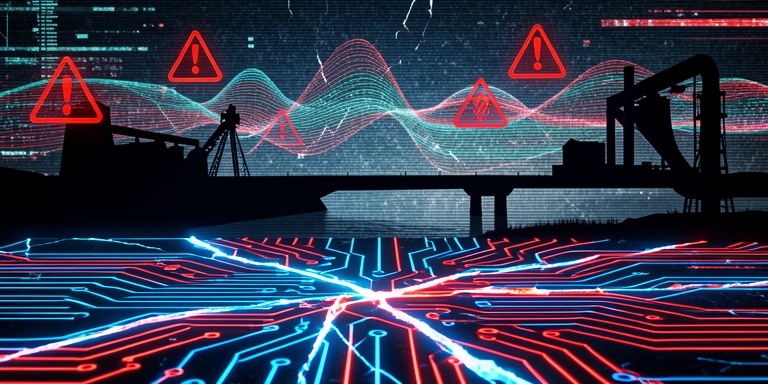
Coordinated cyber assault targets over 30 Minnesota water utilities, prompting urgent responses from state and federal agencies.
Coordinated Cyber Intrusion on Minnesota Water Utilities
A synchronized cyber intrusion occurred on July 26 and 27, impacting operational technology (OT) systems at more than 30 community water utilities in Minnesota. The incident prompted immediate action from Minnesota IT Services (MNIT) to mitigate the threat. MNIT confirmed the attack in a statement released on July 28, detailing the activation of its cybersecurity response protocols upon detecting the breach. The agency has been collaborating with multiple partners to investigate the attack, assist affected communities, and enhance the security of the state’s infrastructure.
Cybersecurity Response and Collaboration
Cyberattacks on critical infrastructure demand a unified, government-wide approach, according to John Israel, MNIT Assistant Commissioner and the state’s Chief Information Security Officer. MNIT is working in tandem with stakeholders to exchange intelligence, support affected entities, and ensure the safe restoration of operations while reinforcing defenses against future threats. Ongoing investigations are evaluating the extent of system compromises.
The Minnesota Department of Health is directly engaging with impacted water systems to safeguard public health, with no reports of cities requesting changes to water usage patterns. Four municipalities—Braham, Plymouth, South St. Paul, and Maple Plain—have publicly acknowledged the incident. The City of Maple Plain stated that specific details about the breach and response remain undisclosed to avoid jeopardizing infrastructure or disrupting active cybersecurity efforts.
“Currently, there has been no disruption to water or wastewater services, and no evidence suggests the safety or quality of the city’s drinking water has been compromised,” the city reported.
Federal Guidance and Potential Iranian Connection
On July 28, CISA, alongside Australia’s Signals Directorate, the UK’s National Cyber Security Centre, and Canada’s Centre for Cyber Security, issued CI Fortify—Advice for Isolating Vital Systems. This directive urges infrastructure operators to isolate essential OT systems from broader networks, ensuring continuity of services even during breaches. “CISA advises OT owners and operators to maintain robust isolation and recovery plans, enabling essential services to function under degraded conditions via manual or alternative SCADA pathways,” the guidance stated. Proactive planning and testing are emphasized to strengthen critical infrastructure defenses against state-sponsored threats.
Tenable’s Analysis of Attack Patterns
While no official attribution has been made, security analysts at Tenable suspect the Iran-linked group CyberAv3ngers based on attack patterns aligning with the group’s historical targeting of small water utilities. “The timing of the Minnesota attacks is notable,” researchers noted. “CISA updated Advisory AA26-097A on July 22, warning of Iranian-affiliated actors compromising internet-connected PLCs across U.S. water, energy, and government sectors.” Tenable’s analysis highlights that CyberAv3ngers has repeatedly targeted small utilities and municipal facilities, a trend the firm describes as systemic rather than coincidental.
This pattern is linked to organizations using consumer remote-access tools like TeamViewer or AnyDesk, or exposing PLC interfaces directly to the internet. “Small utilities often lack dedicated OT security personnel and face budget constraints that hinder the implementation of comprehensive security frameworks,” Tenable observed. The firm also addressed broader challenges in the OT sector, including a shortage of engineers capable of securing control systems and networks. Much of this expertise is aging out of the workforce faster than utilities can replenish it.
Implications for Critical Infrastructure Security
The incident underscores the vulnerability of critical infrastructure to sophisticated cyber threats, emphasizing the need for heightened vigilance and coordinated defense strategies.

About Author



 English