

SIM Card Lending May Lead to Legal Consequences, DoT Warns
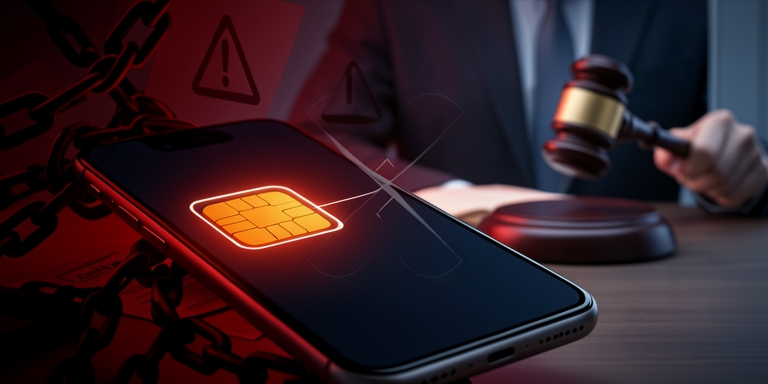
Lending Your SIM Could Land You in Legal Trouble, DoT Warns
The Department of Telecommunications has issued a caution to mobile users regarding the risks associated with allowing SIM cards registered under their names to be utilized by others.
The advisory highlights that fraudulent SIM issuance, misuse of telecom identifiers, and tampering with IMEI numbers can result in severe legal repercussions. The warning follows a cybercrime investigation in Chhattisgarh, where a Point of Sale agent was implicated in activating 25 mobile connections using citizens’ identity documents without their consent. Upon detection of the scheme, the Department of Telecommunications and telecom service providers initiated a review of suspicious connections. Those found to be non-compliant underwent re-verification, with numbers failing the process being deactivated. This incident underscored the potential for identity exploitation through unauthorized SIM activations.
The Department of Telecommunications has issued a caution to mobile users regarding the risks associated with allowing SIM cards registered under their names to be utilized by others.
Legal Repercussions Under the Telecommunications Act, 2023
Under the Telecommunications Act, 2023, violations involving fraudulent SIM issuance or misuse of telecom identifiers may lead to imprisonment of up to three years and fines reaching ₹50 lakh. The advisory specifically addresses individuals who knowingly transfer SIM cards to third parties, emphasizing that such actions can expose the original account holder to legal liability if the SIM is linked to illicit activities.
Preventing Unauthorized SIM Activations
Citizens are urged to avoid practices such as obtaining SIM cards through forged documents, impersonation, or fraudulent means. Additionally, the department has explicitly warned against using SIMs as “mule SIMs” for cybercrime or other unlawful purposes. Maintaining control over SIMs registered under one’s name is critical to preventing unauthorized access and associated risks.
Securing Mobile Devices and Identifiers
The advisory also extends to mobile devices and their identifiers. Users are cautioned against employing equipment like SIM boxes, modems, or devices with tampered IMEI numbers. Modifying telecom identifiers, such as Calling Line Identity, through applications or websites is also discouraged. IMEI numbers, which uniquely identify mobile devices, are integral to network security, and their misuse can compromise both individual users and telecom infrastructure.
Monitoring and Verifying SIMs with Sanchar Saathi
To monitor SIMs linked to their names, users can utilize the Sanchar Saathi platform and mobile application. This tool enables individuals to identify and block unrecognized connections, ensuring that unused or suspicious numbers are addressed promptly. Regular reviews of these connections are recommended, as users may remain unaware of unauthorized SIM activations until issues arise.
Verifying Device Authenticity Through Sanchar Saathi
The platform also offers a feature to verify the authenticity of mobile handsets by checking IMEI-related details. This function provides information on a device’s brand, model, and manufacturer, helping users confirm the legitimacy of their equipment. Combining SIM monitoring with device verification is essential for detecting potential misuse.
Conclusion: Safeguarding Your Telecom Identity
The Department of Telecommunications emphasizes that unauthorized SIM usage can lead to significant risks, including cyber-fraud and legal consequences. By proactively checking connections and verifying devices, users can mitigate these threats. The advisory underscores the importance of safeguarding identity documents, retaining control over SIMs, and conducting periodic reviews of linked services. Users are advised to stay vigilant, report unfamiliar numbers through Sanchar Saathi, and ensure that all devices and connections under their names are legitimate. Taking these steps can prevent exploitation and reduce vulnerabilities in the telecom ecosystem.

About Author





 English