

1 Million Baby Monitors Exposed: How “Secure” Cameras Became Privacy Breaches
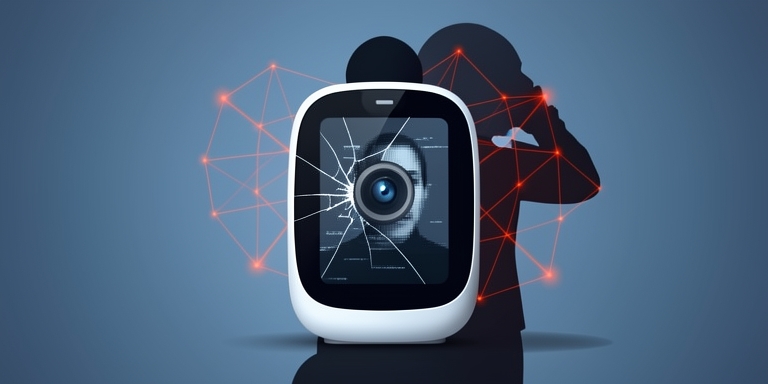
A vulnerability in cloud-connected security cameras and baby monitors has exposed millions of private moments to unauthorized viewers, according to a recent investigation.
Vulnerability in Cloud-Connected Security Cameras and Baby Monitors
Researchers identified a flaw affecting 1.1 million devices globally, allowing anyone with basic technical knowledge to access live video feeds by simply entering a URL. The issue, discovered by French cybersecurity expert Sammy Azdoufal, impacted products sold under well-known Amazon brands such as Arenti, Boifun, and ieGeek. These devices, manufactured by Meari Technology, were found to rely on a shared cryptographic key, effectively leaving their security systems open to exploitation.
Researcher’s Findings
Azdoufal demonstrated how the flaw functioned, explaining that no passwords, encryption cracking, or advanced tools were required to view footage. By accessing a specific link, he was able to retrieve real-time video from homes in 118 countries, capturing sensitive scenes including children’s bedrooms adorned with toys and family interactions.
Technical Details of the Vulnerability
The researcher highlighted the systemic nature of the vulnerability, stating that the underlying architecture of the devices was designed with minimal security safeguards. “It’s like a house with all doors unlocked,” he noted.
“It’s like a house with all doors unlocked,” he noted.
Meari Technology’s Role
The exposure of these feeds underscores broader concerns about the security of consumer Internet of Things (IoT) devices. Meari Technology, a Chinese company, has faced scrutiny for its role in producing these white-label cameras, which are distributed under multiple brand names.
Podcast Discussion on the Vulnerability
The flaw was brought to light through Azdoufal’s research, which was later discussed in a podcast interview with Cybercrime Magazine. The episode, titled “Over 1M Baby Monitors Expose Families To Digital Voyeurs,” delved into the technical details of the vulnerability, regulatory gaps in the IoT industry, and potential solutions for securing connected devices.
Implications for IoT Security
The incident has raised questions about the adequacy of current safety standards for consumer electronics. Experts emphasize that the ease with which the vulnerability was exploited highlights the risks associated with poorly designed cloud infrastructure and the lack of robust authentication mechanisms.
User Recommendations for Security
As IoT adoption continues to grow, the incident serves as a critical reminder of the need for stricter security protocols and transparency from manufacturers. The affected devices remain a focal point for cybersecurity professionals, who urge users to disable unnecessary cloud features and regularly update firmware to mitigate risks.
Calls for Regulatory Action
The case also underscores the importance of consumer awareness, as many users may not fully understand the security implications of the devices they purchase. The vulnerability has not been officially patched, and affected users are advised to contact manufacturers for further guidance.
The incident has sparked renewed calls for regulatory action to enforce minimum security requirements for IoT products, ensuring that such exposures do not occur in the future.
Conclusion
The findings highlight the growing challenges of securing an increasingly connected world, where convenience often comes at the cost of privacy. As researchers continue to uncover flaws in consumer technology, the demand for stronger safeguards and accountability from manufacturers is expected to rise.

About Author








 English