

100 Crore Betting Network Operated from Gwalior Duplex, 5 Arrested
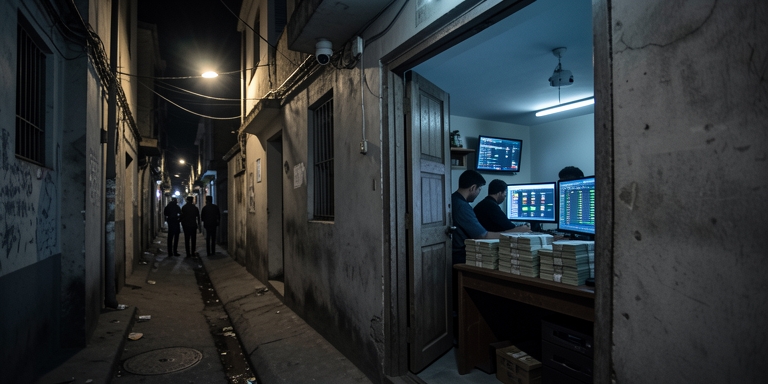
Authorities in Gwalior have detained five individuals linked to a suspected ₹100 crore online gambling scheme operating from a residence in Windsor Hills, with potential connections to international entities.
Alleged Use of “100Panel” Platform
Investigators confirmed the accused utilized the “100Panel” platform to facilitate betting activities, creating user accounts, managing balances, and processing wagers. During the raid, law enforcement seized mobile phones, laptops, SIM cards, cheque books, bank passbooks, Aadhaar cards, PAN cards, ATM cards, and credit cards. Forensic teams are analyzing the devices to trace financial flows and identify bank accounts involved in the scheme. This marks the second instance where “100Panel” has been linked to gambling operations in Gwalior, following a prior case in which three individuals were arrested for managing similar platforms like Rediana and Khiladi 99X.
International Connections Under Scrutiny
The case has drawn attention due to alleged ties to bookmakers in Dubai and Sri Lanka. During interrogations, the accused reportedly admitted to direct communication with overseas operators, though the extent of their involvement remains unclear. Investigators are examining whether these foreign entities controlled betting panels, provided banking instructions, or received a share of proceeds. The ₹100 crore figure, often representing total transaction volumes rather than physical cash, requires further verification. Analysts note that such sums typically involve multiple accounts, repeated transfers, and a distinction between operational activity and personal gains.
Understanding Betting Panels and Mule Accounts
A betting panel functions as a digital administrative tool for managing user accounts, balances, and wagers. Local operators may collect funds through mule bank accounts and QR codes, then credit customer balances electronically. Mule accounts, which are used to funnel illicit funds, are critical to these operations. The accused in this case are alleged to have operated on a commission-based model, similar to previous investigations. For example, in an earlier Gwalior case, operators received ₹15,000 monthly salaries plus commissions, with profits funneled through layered banking structures.
Previous Cases and Patterns
Gwalior Police have encountered similar structures in past operations. In one instance, suspects used QR codes linked to mule accounts and transferred profits to a central organizer, who provided recurring bank accounts. This method obscures the true network hierarchy, separating bettors from controllers. Other cities have reported comparable schemes: Jhansi Police dismantled a ₹100 crore betting syndicate in April, while Kanpur authorities uncovered an international network with transactions exceeding ₹100 crore over three months, linked to Dubai and Thailand. These cases highlight the growing reliance on distributed banking and offshore coordination.
Investigation Progress
The current probe is focusing on digital evidence, banking records, and foreign contacts. Forensic teams are analyzing seized devices to map financial trails, while investigators seek to identify the alleged Dubai and Sri Lanka-based operators. The duplex owner’s role is also under review, including tenant verification processes and potential knowledge of the activities. Authorities are determining whether the arrested individuals were low-level operators or part of the network’s leadership.
Public Advisory
Law enforcement has urged citizens to avoid renting bank accounts, SIM cards, ATM cards, or UPI access for financial gain. Such actions can lead to account freezes and legal repercussions, as these tools are often exploited in illicit operations. The case underscores the evolution of online betting into complex, tech-driven networks, where physical locations serve as operational hubs while controllers operate remotely.

About Author







 English