

75,000 Users Targeting with DDoS-for-Hire Services Identified and Warned by Authorities
Cybercrime Crackdown: Operation PowerOFF Nets 4 Arrests and Seizes 53 Domains
Law enforcement agencies from 21 countries have concluded a week-long operation against illicit DDoS-for-hire services, known as “booters” or “stressers.” The joint effort, dubbed Operation PowerOFF, targeted platforms that enable individuals to launch distributed denial-of-service attacks with minimal technical expertise.
Operation Details
- The latest phase of the operation took place on April 13, 2026.
- Authorities traced and apprehended individuals who paid for these attacks.
- Over 3 million user accounts linked to DDoS-for-hire services were identified.
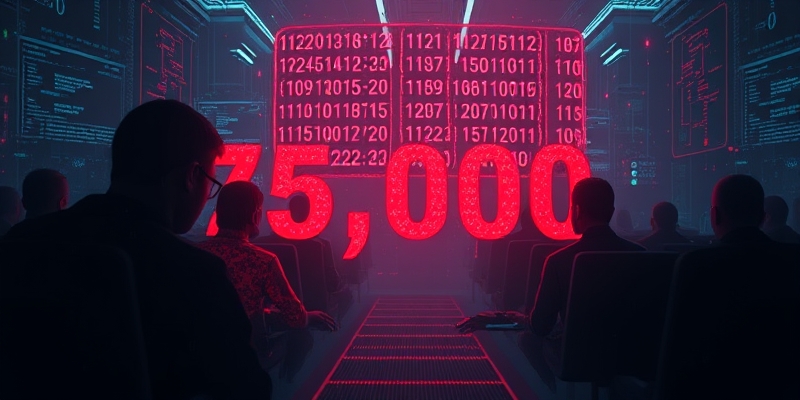
- Approximately 75,000 notifications were issued to individuals who were caught using these services.
Outcomes
- Four arrests were made.
- 53 domain names used by hackers were seized.
Millions of user accounts were discovered in databases associated with these services, highlighting the scale of the issue. Law enforcement efforts focused not only on disrupting the services but also on preventing the problem from spreading further.
Perspectives
- Laundering advertisements on search engines like Google, displaying messages from law enforcement to potential users seeking DDoS-for-hire services.
- Utilizing blockchain tracking to identify and warn individuals attempting to use cryptocurrencies to pay for these services.
This operation marks another significant milestone in the ongoing campaign against DDoS-for-hire services. Previous successes include the shutdown of Webstresser.org in 2018, IPStresser.com in 2022, and numerous other domain seizures in 2023 by the US Department of Justice.
Recent Developments
- In March 2026, law enforcement agencies disrupted four major botnet networks, including Aisuru, KimWolf, JackSkid, and Mossad, which hackers used to launch DDoS attacks.
- By seizing servers and databases, authorities aim to make it increasingly difficult for hackers to carry out DDoS attacks, protecting businesses and governments from being knocked offline.

About Author







 English