

GPS Jamming and Spoofing Threats in the Strait of Hormuz: Collision Risks for Ships
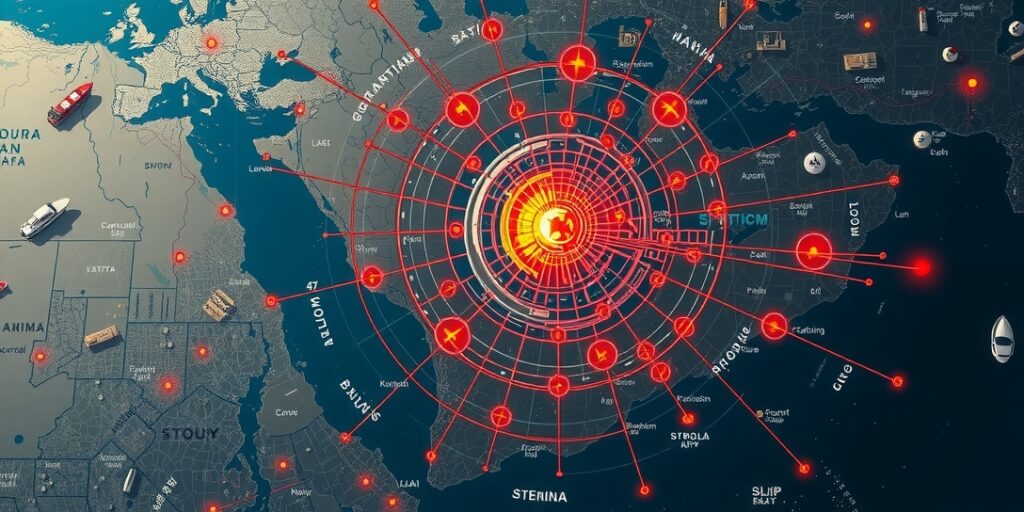
Maritime Experts Warn of ‘Digital War’ Threat in Strait of Hormuz as GPS Interference Causes Navigation Errors
A growing concern is emerging in the Strait of Hormuz, a critical sea lane, as ships passing through the area are experiencing GPS signal disruptions, leading to incorrect position displays. This phenomenon, attributed to electronic warfare, poses a significant threat to maritime safety, potentially causing collisions, groundings, and disruptions to global trade and energy flows.
The Vulnerability of GPS Signals
The increasing reliance on satellite-based navigation systems has created a vulnerability in modern shipping. GPS signals, which determine a vessel’s position, direction, and speed, are susceptible to interference. By the time these signals reach the Earth’s surface, they become weak and can be easily disrupted. This vulnerability is being exploited by attackers, who are using techniques such as jamming and spoofing to interfere with GPS signals.
Jamming and Spoofing: Techniques Used to Interfere with GPS Signals
Jamming involves generating electromagnetic noise to block genuine GPS signals, causing navigation systems to fail or behave erratically. Spoofing, a more sophisticated technique, involves sending fake signals that appear real to the receiver, tricking the system into displaying incorrect coordinates. In narrow and congested waterways like the Strait of Hormuz, detecting such anomalies can be challenging, and the consequences can be severe.
The Risk of Collision and Cyberattacks
The risk of collision is significantly higher in narrow passages, where water depth changes rapidly, and ships have limited time and space to maneuver. Large cargo vessels, in particular, have slow turning capabilities, making even minor navigational errors potentially catastrophic. Experts warn that incorrect positioning could bring ships dangerously close to each other or push them into shallow waters, potentially disrupting global oil supply chains.
The threat of GPS interference is no longer limited to navigation systems. Critical ship systems, including engines, propulsion, and navigation controls, are also vulnerable to cyberattacks. Ransomware and supply chain attacks are emerging as major concerns for maritime security.
The Need for Improved Cybersecurity Training and Traditional Navigation Skills
Furthermore, t

About Author









 English