

Muzaffarpur Woman Scammed Out of Lakhs via Fake Low-Interest Loan Scam
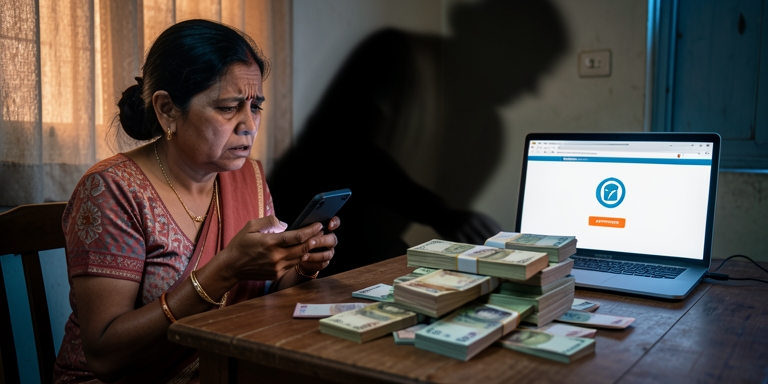
A fraudulent scheme involving deceptive loan offers led to the unauthorized withdrawal of ₹1,20,200 from a resident of Muzaffarpur district in Bihar.
The Fraudulent Scheme Unveiled
The incident highlights vulnerabilities in financial verification processes and underscores the need for heightened consumer awareness. The fraudulent operation commenced on May 16, 2026, when an individual identified as Pooja Kumari, a resident of Balha village in Balughat’s Bandh Road area, received a call from an unregistered mobile number.
Phase 1: Collection of Sensitive Information
The perpetrator requested documents including identification records, tax filings, and background details, citing these as necessary for credit assessment. This step enabled the attackers to construct a comprehensive profile of the victim.
Phase 2: Compromising Banking Credentials
Using the gathered data, the fraudsters bypassed security protocols to access the individual’s primary financial account. The final stage involved the unauthorized transfer of ₹1,20,200 from the account, with all communication channels severed post-transaction to prevent detection.
Phase 3: Detection and Reporting
The breach was detected when the victim reviewed her transaction history and identified the unauthorized withdrawal. She promptly reported the incident through the National Cyber Crime Reporting Portal and filed a formal complaint at the Bela Cyber Police Station.
Law enforcement agencies are now conducting a detailed analysis of digital footprints, including IP addresses, network signatures, and hardware identifiers linked to the fraudulent call. Collaborative efforts with financial institutions aim to trace the movement of stolen funds through intermediary accounts.
Security Experts’ Warnings
Security experts have issued warnings about the increasing prevalence of such schemes, which exploit urgent financial needs by mimicking legitimate lending processes. These operations often employ realistic interfaces and request extensive personal data to facilitate identity theft.
Public Advisories and Recommendations
Authorities emphasize that verified financial entities do not solicit sensitive information via unsecured communication channels or request preliminary documentation through unsanctioned links. Public advisories recommend verifying all loan offers through official platforms and avoiding engagement with unsolicited financial propositions.
Conclusion: Strengthening Cybersecurity and Consumer Vigilance
Individuals are urged to report suspicious activities immediately to the national cybercrime helpline (1930) to mitigate potential losses. The case underscores the importance of robust cybersecurity measures and consumer vigilance in combating evolving financial fraud tactics.

About Author









 English