

UPI Chargeback Fraud: What Merchants Need to Know Before Trusting Payments
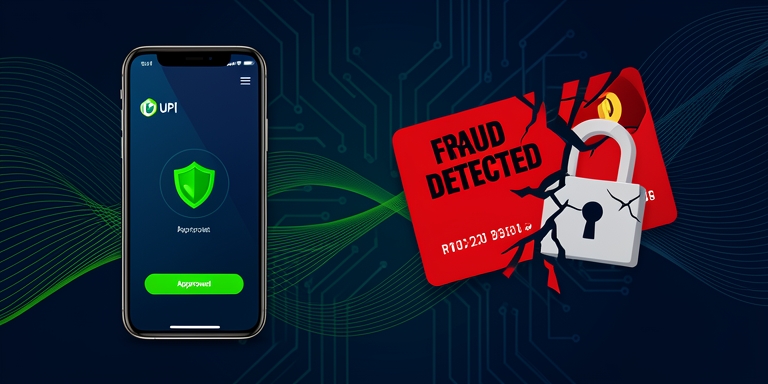
New UPI Chargeback Scam Emerges, Targeting Merchants with Deceptive Tactics
Rising Threat in UPI Ecosystem
Cybersecurity professionals have identified a rising threat involving fraudulent chargeback activities within the Unified Payments Interface (UPI) ecosystem. Attackers execute legitimate transactions to gain merchant trust, then exploit dispute mechanisms to reverse payments after receiving goods or services. Industry experts stress the importance of transaction verification and evidence preservation for businesses.
Impact on Small Businesses
A growing cyber threat is impacting small businesses and merchants utilizing digital payment systems like UPI. Fraudsters are leveraging chargeback processes to target sellers by first completing genuine transactions, obtaining products or services, and later initiating disputes to reclaim funds. Analysts note that while consumer awareness of cyber threats has improved, many small-scale merchants remain unaware of evolving payment fraud techniques, leaving them exposed to financial harm.
Evolution of Payment Fraud
Research indicates that merchant-focused payment fraud differs from traditional cybercrime models. Instead of direct account breaches, perpetrators exploit flaws in dispute resolution protocols, transaction validation procedures, and record-keeping practices. The proliferation of digital payments in India has made small retailers, restaurants, service providers, and e-commerce sellers prime targets for organized fraud networks.
Statistical Insights
Data reveals that over 2.9 million cyber fraud incidents were reported in India during 2025. Financial losses from digital fraud have increased dramatically, rising from ₹551 crore in 2021 to ₹22,931 crore in 2025. Experts attribute a significant portion of these losses to small and medium enterprises that adopted digital payment systems without implementing equivalent security measures.
Chargeback Fraud Mechanics
In chargeback fraud scenarios, cybercriminals first complete authentic transactions through UPI or similar platforms to establish credibility. After receiving goods or services, they contact banks or payment service providers to claim the transaction was unauthorized. If the chargeback is approved, the merchant faces direct financial loss despite fulfilling the order.
Regulatory and Merchant Responsibilities
Unlike individual banking customers, merchants lack standardized regulatory protections in dispute cases. Consumer protection frameworks primarily focus on safeguarding end-users from unauthorized transactions. This leaves merchants responsible for maintaining comprehensive documentation, transaction logs, and supporting evidence for all sales. The Reserve Bank of India (RBI) has implemented multiple initiatives to enhance digital payment security. However, cybersecurity professionals emphasize that merchants must strengthen internal processes, as fraudulent disputes pose significant financial and operational risks.
Expert Recommendations
The Future Crime Research Foundation reports that cybercriminals are shifting focus from direct account hacking to exploiting weaknesses in digital payment dispute systems. The organization highlights that fraudsters build trust through legitimate transactions before misusing chargeback mechanisms to recover funds after receiving goods or services. They recommend merchants retain invoices, CCTV recordings, delivery confirmations, transaction identifiers, and customer communication records as critical evidence during disputes and investigations.
Quotes and Advice
Renowned cybercrime expert and former IPS officer Prof. Triveni Singh noted that digital payment expansion has driven criminals to refine their tactics. He emphasized that chargeback fraud is particularly hazardous because offenders initially appear as legitimate customers before exploiting dispute mechanisms. Singh advised merchants to avoid relying solely on customer-provided screenshots, SMS alerts, or payment confirmations. Instead, all transactions should be verified through official banking applications or authorized payment service provider platforms. He also underscored the necessity of maintaining complete digital and physical records to support claims during disputes.
Conclusion
The Future Crime Research Foundation concludes that awareness, thorough documentation, real-time verification, and prompt reporting are essential defenses against the escalating UPI chargeback fraud threat in India’s expanding digital payment landscape.

About Author









 English