

MP Sambit Patra’s WhatsApp Hacked; Public Warned About Fake Money Scams
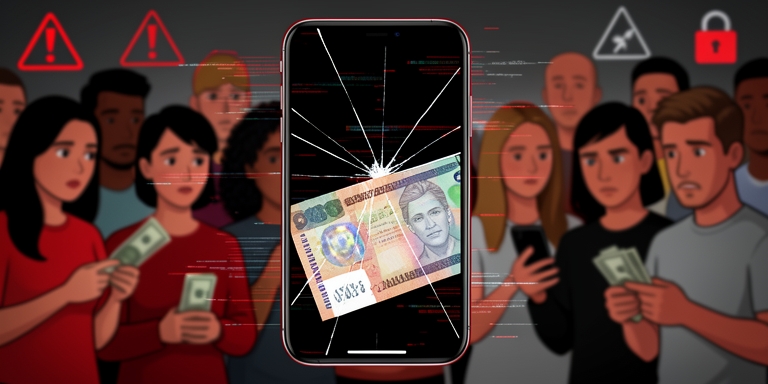
MP Sambit Patra’s account was compromised, prompting warnings about fraudulent financial requests. Cybercriminals are exploiting breached accounts to target individuals through deceptive communications.
A Recurring Pattern in Cyberattacks
This incident aligns with a series of similar attacks targeting high-profile individuals in India. Earlier this year, a Nationalist Congress Party leader’s account was similarly infiltrated, with perpetrators demanding a ransom of $400 to regain access. In that case, authorities restored the account within hours after detecting unauthorized device activity. The repeated nature of these attacks underscores the persistence of methods that exploit weak security protocols and human trust.
This incident aligns with a series of similar attacks targeting high-profile individuals in India.
Earlier this year, a Nationalist Congress Party leader’s account was similarly infiltrated, with perpetrators demanding a ransom of $400 to regain access. In that case, authorities restored the account within hours after detecting unauthorized device activity.
Mechanisms Behind Account Takeovers
Security analysts have identified several techniques frequently used in such breaches. The most prevalent method involves intercepting verification codes sent via SMS. Attackers deceive victims into sharing these one-time passwords by masquerading as legitimate service providers, enabling full account control. Another approach leverages call forwarding features, where users are tricked into entering codes that reroute verification calls to attacker-controlled numbers. These tactics exploit the urgency and personal nature of mobile-based interactions, making them particularly effective.
The most prevalent method involves intercepting verification codes sent via SMS.
Attackers deceive victims into sharing these one-time passwords by masquerading as legitimate service providers, enabling full account control.
Another approach leverages call forwarding features.
Users are tricked into entering codes that reroute verification calls to attacker-controlled numbers. These tactics exploit the urgency and personal nature of mobile-based interactions, making them particularly effective.
Government Measures and Industry Responses
The incident occurs amid regulatory scrutiny of digital security practices. A recent update by a major social media platform introduced a feature allowing users to claim unique usernames, aiming to reduce reliance on phone numbers. However, Indian authorities intervened, citing concerns that this could exacerbate impersonation risks by obscuring contact details. The feature remains restricted in the country, reflecting ongoing debates over balancing convenience with security.
Guidelines for the Public
Cybersecurity experts emphasize the importance of verifying financial requests, even when they appear to originate from trusted sources. Authorities advise individuals to independently confirm any unusual communication, avoiding reliance on sender identity alone. Ongoing investigations into the MP’s compromised account are expected to yield further insights, while the broader implications of these attacks continue to shape policy discussions.
The Breach as a Digital Landscape Reminder
The breach serves as a stark reminder of the evolving threats in the digital landscape, reinforcing the need for heightened vigilance and robust security practices among users and organizations alike.

About Author








 English