

Cybersecurity Now a Top Priority for India’s MSMEs Amid Growing Cyber Threats
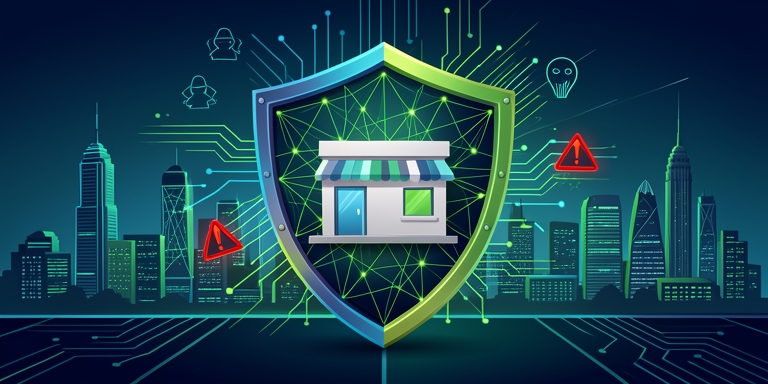
Experts highlight the urgent need for India’s micro, small, and medium enterprises to enhance their cybersecurity measures as threats such as UPI fraud, ransomware, phishing attacks, and counterfeit invoice schemes increasingly jeopardize operational stability, financial security, and consumer confidence.
Experts highlight the urgent need for India’s MSMEs to enhance cybersecurity measures
The rapid adoption of digital payment systems, cloud infrastructure, and online business platforms by MSMEs has created new vulnerabilities, with cybercriminals exploiting these advancements to target smaller organizations. Cybersecurity is now recognized as a critical component of business continuity and trust, shifting from a purely technical concern to a strategic imperative for enterprise resilience.
Rising Digital Threats
Digital transactions have expanded the potential attack vectors for small and medium enterprises, with billions of UPI transactions processed monthly making businesses prime targets for malicious actors. Official statistics reveal over 1.2 million UPI fraud incidents reported during the 2024-25 financial year, resulting in estimated losses of approximately ₹981 crore. Cybersecurity professionals note that fraud tactics have evolved into more structured operations as digital commerce and online activities grow.
Phishing attacks and counterfeit invoices remain prevalent threats, with attackers using deceptive emails or documents to trick employees into clicking malicious links or opening harmful attachments. Once compromised, these attacks can lead to unauthorized access, manipulation of payment instructions, and diversion of funds to controlled accounts. Such incidents can result in significant financial setbacks, operational disruptions, reputational harm, and compliance issues if sensitive data is exposed.
Regulatory Frameworks
Regulatory frameworks in India have tightened, including guidelines from CERT-In and the Digital Personal Data Protection Act, which mandate enhanced data protection protocols, improved cybersecurity measures, and timely incident reporting.
Recommended Security Practices
Industry experts recommend that MSMEs implement foundational security practices such as regular software updates, multi-factor authentication, secure data backups, employee training programs, verification processes, and routine cybersecurity assessments. These steps, even with limited budgets, can significantly mitigate risks by improving overall cyber hygiene.
FCRF’s Training Program
The FCRF has introduced a certified AI-driven SOC analyst training program aimed at developing skilled professionals to bolster cyber defense capabilities across sectors.

About Author








 English