

Third-Party Vendor Risks: The Hidden Cybersecurity Threat of Your Vendor’s Vendor
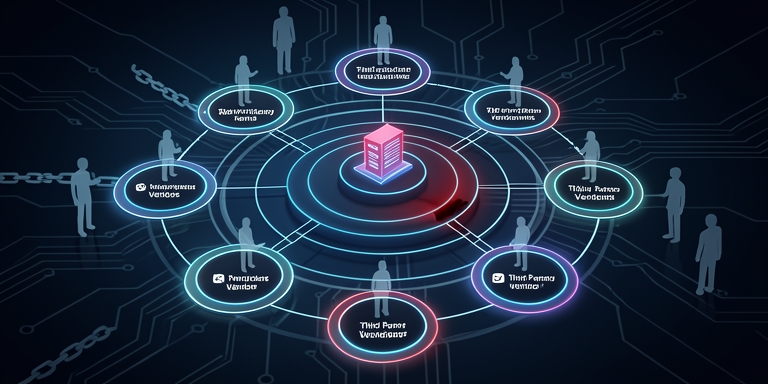
Subcontractors Pose Significant Breach Risks to Enterprises In a recent analysis, cybersecurity expert Chris Boehm, Field CTO at Zero Networks, highlighted how supply chain vulnerabilities have evolved to target indirect relationships within organizational ecosystems.
Understanding the Threat Landscape
Attackers now focus on subcontractors that support primary vendors, exploiting their access to critical infrastructure. A single compromised credential within an unvetted third-party entity can provide unauthorized entry into an organization’s network, as these subcontractors often hold credentials or access points that remain unchecked by the primary vendor’s security protocols.
The Mechanism of Stolen Access Tokens
Boehm explained that stolen access tokens function similarly to physical security badges—once obtained, they grant entry without verifying the individual’s legitimacy. This mechanism allows threat actors to bypass traditional authentication measures by leveraging credentials from entities that may not be directly associated with the target organization.
The Process of Intrusion
The process typically involves a small-scale breach at a subcontractor, which then escalates through interconnected systems, embedding itself within the target environment. Such intrusions often remain undetected for extended periods, as they exploit trusted connections rather than direct attacks.
Layered Approach to Vendor Risk Management
The expert emphasized the need for a layered approach to vendor risk management, prioritizing assessments based on the sensitivity of data handled and the depth of access granted. Current security frameworks frequently overlook subcontractors, treating primary vendors as the sole point of scrutiny. This gap leaves organizations vulnerable to indirect attacks that exploit weak links in the supply chain.
Key Findings and Recommendations
Boehm urged enterprises to adopt stricter oversight of all entities involved in their operations, regardless of visibility or direct interaction. Key findings from the discussion include the increasing reliance on subcontractors for critical services, the limitations of perimeter-based security in detecting indirect threats, and the necessity of continuous monitoring across all vendor tiers.
Conclusion
The analysis underscores the importance of reevaluating traditional risk mitigation strategies to address the evolving tactics of adversaries targeting supply chain dependencies.

About Author








 English