

Chinese Fraud Rings Steal Billions via Tap-to-Pay Gift Card Fraud
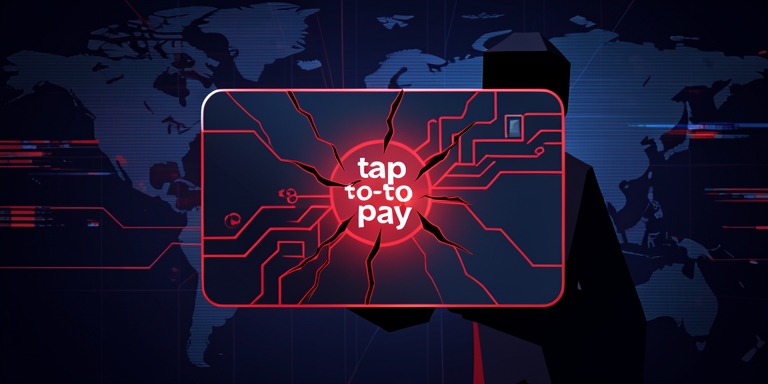
Chinese organized crime groups are leveraging stolen financial data and contactless payment technology to siphon funds from U.S. retail gift card systems, generating approximately $1 billion annually in illicit revenue.
Case Study: Lowe’s in Hammond, Louisiana
A case highlighted by U.S. Homeland Security Investigations illustrates the scale and sophistication of these operations. An individual at a Lowe’s store in Hammond, Louisiana, conducted a series of transactions involving $95 gift cards, using a smartphone to complete payments via tap-to-pay technology. Surveillance footage initially appeared unremarkable, but investigators later uncovered that the suspect was part of a larger network operating across multiple jurisdictions.
Decentralized Operations and Coordination
Coordinators in Southeast Asia guided the individual through wireless earbuds, instructing him on how to execute purchases while avoiding detection. The suspect repeated the process at multiple retailers on the same day, demonstrating the decentralized nature of the scheme.
Shift from Traditional Theft to Digital Fraud
This method represents a shift from traditional retail theft, where criminals physically steal merchandise. Instead, perpetrators load stolen or compromised financial credentials into mobile wallets and use contactless payments to acquire large volumes of gift cards. These cards are subsequently sold online at reduced prices or exchanged for electronics and tools, which are exported to foreign markets.
Project Red Hook: Targeting Organized Crime
The U.S. Department of Homeland Security has established a specialized task force, Project Red Hook, to address the growing threat posed by these networks, which are linked to broader criminal activities including money laundering and human trafficking.
Ghost-Tapping and NFC Technology
The technique, referred to as “ghost-tapping,” involves relaying stolen card data between devices using near-field communication (NFC)-capturing software. This allows a criminal’s device to mimic a legitimate payment method at checkout, bypassing conventional fraud detection systems.
International Networks and Financial Crimes
Researchers have connected this ecosystem to Chinese-speaking criminal organizations involved in unlicensed lending, online gambling, and romance scams, with proceeds from gift card fraud reportedly funding other illicit operations. Investigations reveal that these networks operate across multiple U.S. states, targeting major retailers such as Lowe’s and TJX Companies.
Transnational Collaboration and Enforcement
Local operatives execute in-store purchases, while international groups provide technical support and logistical coordination. A prior case involved three Chinese nationals who admitted to using stolen gift cards to acquire $100 million in electronics, which were stored in a New Hampshire warehouse before being shipped to China and Hong Kong. Authorities recovered $8 million in Apple products, counterfeit devices, and thousands of gift cards during the operation.
Cybersecurity Challenges and Recommendations
Cybersecurity experts emphasize that the rise of digital wallets and contactless payments has created new challenges for fraud prevention. Transactions completed without physical card presentation are harder to detect, as traditional security systems lack mechanisms to flag such activity. Gift cards remain a prime target due to their liquidity, instant transferability, and difficulty in tracing once redeemed.
Consumer and Institutional Safeguards
Experts recommend that financial institutions and retailers enhance real-time fraud detection capabilities, incorporating behavioral analytics and multi-factor authentication to mitigate risks. Consumers are advised to monitor account activity, enable transaction alerts, and verify any requests to add payment methods to digital wallets.
Conclusion: A Transnational Threat Requiring Global Cooperation
Addressing this transnational threat requires collaboration between law enforcement, financial regulators, and cybersecurity professionals across multiple regions.

About Author






 English