

Three Arrested in Kanpur Police Operation to Bust Fake Document Racket at Cyber Café
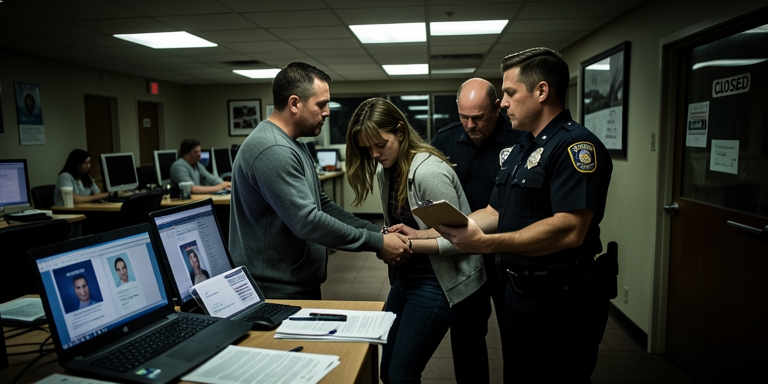
Three individuals have been detained by Kanpur police in connection with a counterfeit document operation conducted from a cyber café, with investigators recovering a significant quantity of forged identification materials and exploring potential international digital connections.
Detention and Recovery Details
The case involves the production of falsified official records, including birth and death certificates, caste and income documents, and academic credentials, which were reportedly distributed for financial gain. The investigation remains active, with all suspects currently presumed innocent until proven guilty through legal proceedings. During a coordinated operation, law enforcement recovered approximately 120 forged birth and death certificates, 112 caste, income, and residence documents, two Aadhaar update certificates, and a substantial number of suspected counterfeit PAN cards, driving licenses, and voter identity documents. Additional seized items included government-issued stamps, computing equipment, printing devices, and ₹29,220 in cash. Documents bearing forged seals of an active legislative figure were also recovered, suggesting a level of coordination that extends beyond typical identity fraud schemes.
Digital Forensics and International Connections
According to interrogations, the accused admitted to generating marriage certificates and academic transcripts for payment, with police estimating the operation had been active for nearly a year. The full scale of falsified documents in circulation is still under assessment. Preliminary digital forensics on seized devices identified three websites linked to the suspects, with early analysis indicating potential connections to servers or phone numbers associated with Kazakhstan. Investigators are examining whether the accused maintained communication through encrypted platforms like Telegram, particularly with groups based in Kazakhstan, though these links require further verification. If confirmed, this would align with a growing trend of document forgery networks leveraging foreign-hosted infrastructure and encrypted channels to evade detection.
Similar Cases and Ongoing Investigation
Similar operations have been reported in other Indian cities, such as a Bengaluru-based scheme distributing fake Aadhaar and academic records, and a Bareilly network where individuals were trained in forgery techniques via remote-access tools by an associate in Uttarakhand. Ongoing efforts include forensic analysis of digital devices, financial records, and online activity to identify potential accomplices, technical supporters, or financial beneficiaries.
Expert and Legal Perspectives
Authorities’ Statement
Authorities stated the investigation is ongoing, with further legal steps anticipated if additional suspects, fake websites, or evidence of a broader inter-state or international network is uncovered.

About Author









 English